When the Country breathes
Indigenous voices are calling for a national framework that honours culturally significant entities through granting Country legal rights, as we do people.
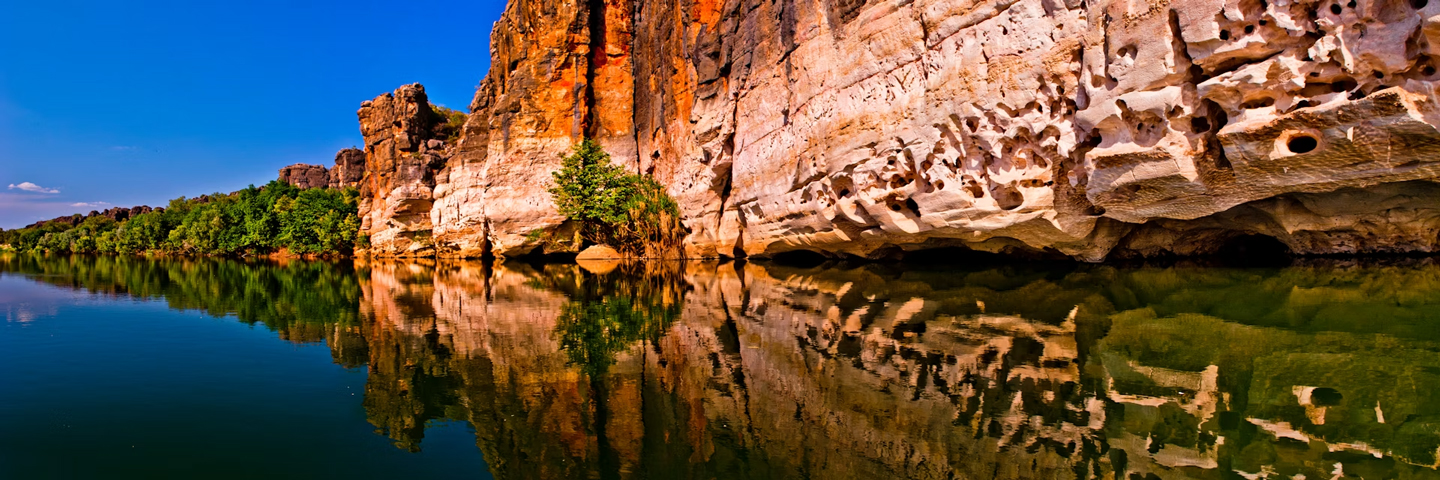
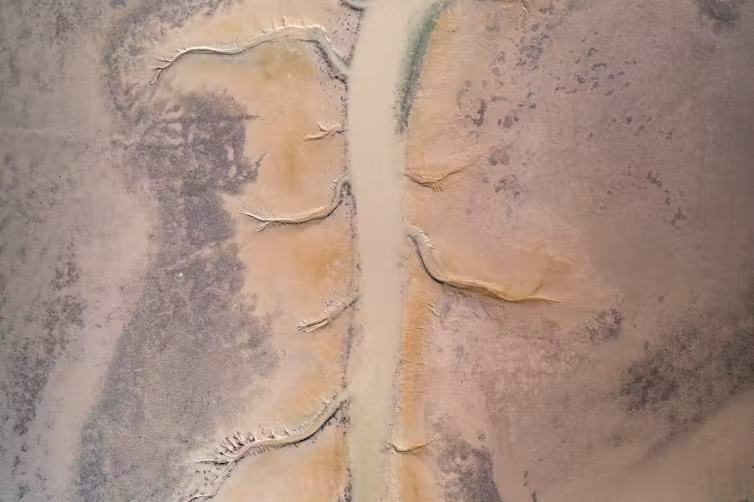
Martuwarra, also known as the Fitzroy River in the Kimberley. All pictures: supplied.
By TODD JIGARRU CONDIE
For countless generations, Aboriginal and Torres Strait Islander peoples have understood trees, rivers, mountains, wetlands, stones, winds and skies not as objects arranged around human life, but as part of a living network of relations.
Country is not scenery.
It is family, archive, law ground, classroom and provider.
It holds names, warnings, obligations and stories.
It is not separate from people, and people are not separate from it.
That understanding can be difficult for institutions built on survey lines, titles, permits and extraction licences.
The living world is broken into units that can be counted, bought, traded, offset or consumed.
But on Country, the categories are not so simple.
A tree can be shade, medicine, Ancestor, nesting place, tool, marker, story and responsibility all at once.
A mountain can hold creation stories and weather knowledge.
A river can guide ceremony, feed families, shape movement, carry law and remind people who they are.
In The Conversation, authors, Teagan Shields, Anna-Sheree Krige, Anne Poelina and Stephen van Leeuwen, explained the concept as it applies to Western Australia’s Kimberley region.
In the Kimberley, Martuwarra — also known as the Fitzroy River — is often described by Traditional Custodians as living water.
“Many species and ecological communities hold deep cultural, spiritual and livelihood importance for Indigenous peoples,” the authors said.
“Sometimes known as totems, these culturally significant entities are not always animals and they may also be plants, landscapes, waters or other parts of the living world that make up Country.”
Their meaning depends on Country, culture, family, community and the knowledge systems to which they belong, but they are rarely acknowledged in national policy, planning or conservation management systems and this is what environmental management can miss when it sees nature only through categories such as species, habitats, resources or water allocations, the authors added.
Across the Tasman, Te Awa o Whanganui has shown the world another legal possibility.
In Aotearoa (New Zealand), the Whanganui River was recognised in law as a living and indivisible whole, from mountains to sea in 2017.
That recognition did not invent the river’s life – Māori people had always known it.
The law, belatedly, caught up with an older truth.
The groundbreaking legislation, honouring te ao Māori, inspired communities around the world to explore legal protections for rivers and mountains.
In Australia, the Birrarung, known in English as the Yarra River, has also been recognised in Victorian law as one living and integrated natural entity.
The wording matters because language can shift responsibility.
Fire knowledge, seasonal calendars, water care, species monitoring, cultural harvesting and ceremony are all part of systems refined over thousands of generations.
They are sciences of attention, responsibility and adaptation.
This is the heart of Indigenous environmental knowledge: long observation joined to relationship.
Modern conservation is beginning to recognise what it has too often ignored.
Researcher Teagan Shields said “a national framework for culturally significant entities now gives language to species and ecological communities that hold deep cultural importance for Indigenous Australians.”
“These may be animals, plants, waters, skies, landscapes, bush foods, medicines, totems, places in creation stories, or indicators of the health of Country,” the authors of A River is our Life Force: Why Indigenous cultural values must be visible in conservation, in The Conversation said.
Too often, Indigenous knowledge is invited into reports while Indigenous authority is left outside the room.
Traditional Custodians are asked to consult on decisions that have already been shaped by mining interests, irrigation plans, roads, housing estates or political timetables.
A living entity cannot be protected by a process that treats its people as an afterthought.
Yale School of the Environment PhD candidate Raffaele Sindoni is investigating the impact of the Te Awa Tupua (Whanganui River Claims Settlement) Act nearly a decade after the river was granted legal personhood.
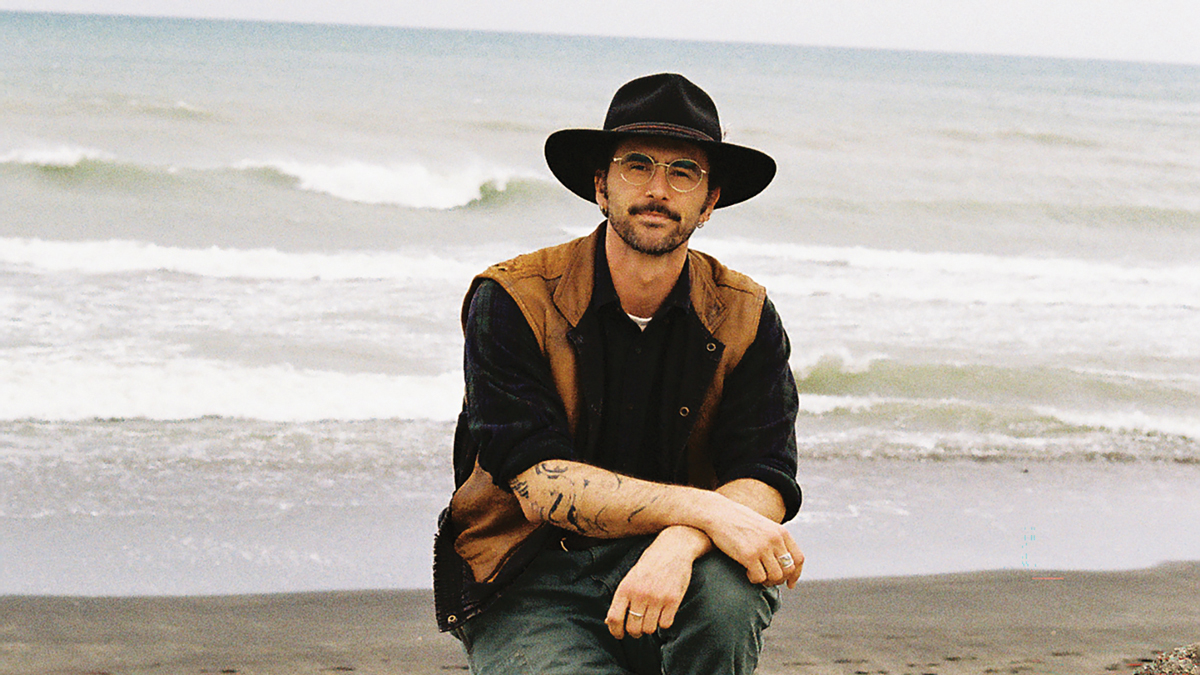
Sindoni, who is a visiting fellow at the University of Auckland’s Te Wai Ariki New Zealand Centre for Indigenous Peoples and the Law, spent five months living in Whanganui, never far from the Whanganui River, the first in the world to be recognised as a legal person.
“I’m most curious about where the Act generates promising advancements, where it meets resistance, what it’s used for, and where it reaches its limits as both an expression of Indigenous relational world views and as an Act of Parliament operating within the structures of the New Zealand state,” he said.
On paper, granting legal personhood to a river appears to profoundly challenge colonial-capitalist understandings of land as property, water as resource, and humans and nature as separate but there’s a caveat, says Sindoni.
“Rights of nature frameworks still operate within and engage with the very Western legal systems they seek to challenge and this poses an important question: how are Indigenous world views being translated into forms that the state recognises, and how does such a translation affect centuries of embedded legal and political Western colonial power structures?” Sindoni said.
“These debates about legal personhood are essential for the next generation of students, activists, and lawyers as we grapple with changing relationships between people and nature.”
And that changing relationship is being led by Indigenous communities and peoples.
Ranger groups, river councils, cultural fire practitioners, language workers, Elders and young people are restoring damaged places, recording knowledge on their own terms, monitoring species, challenging destructive projects and building economies based on restoration rather than extraction.