


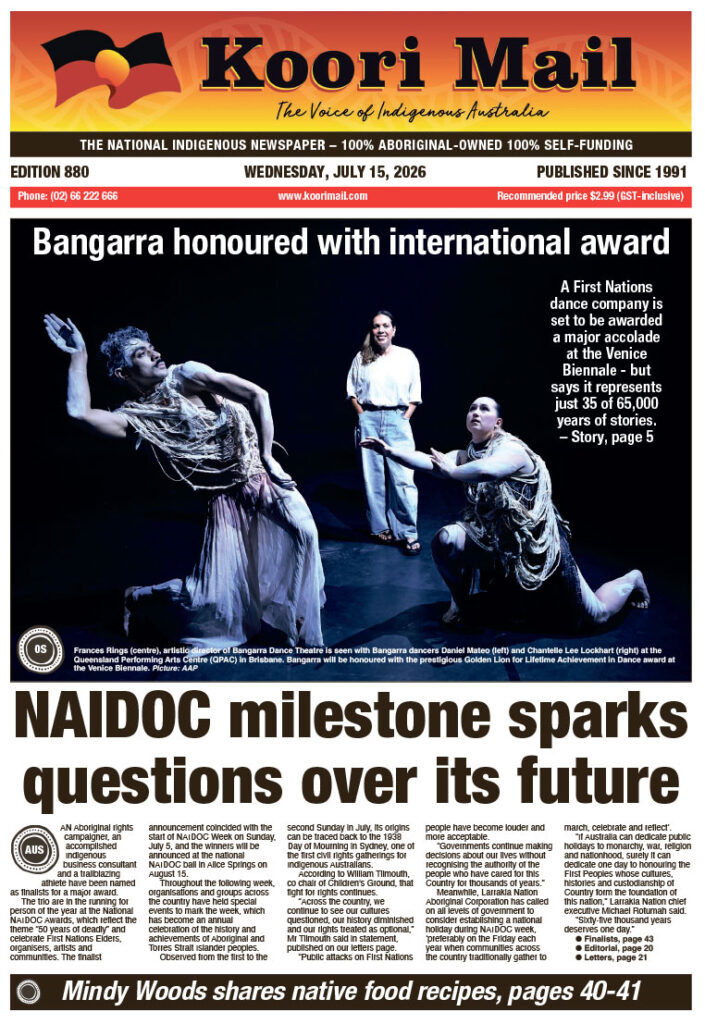
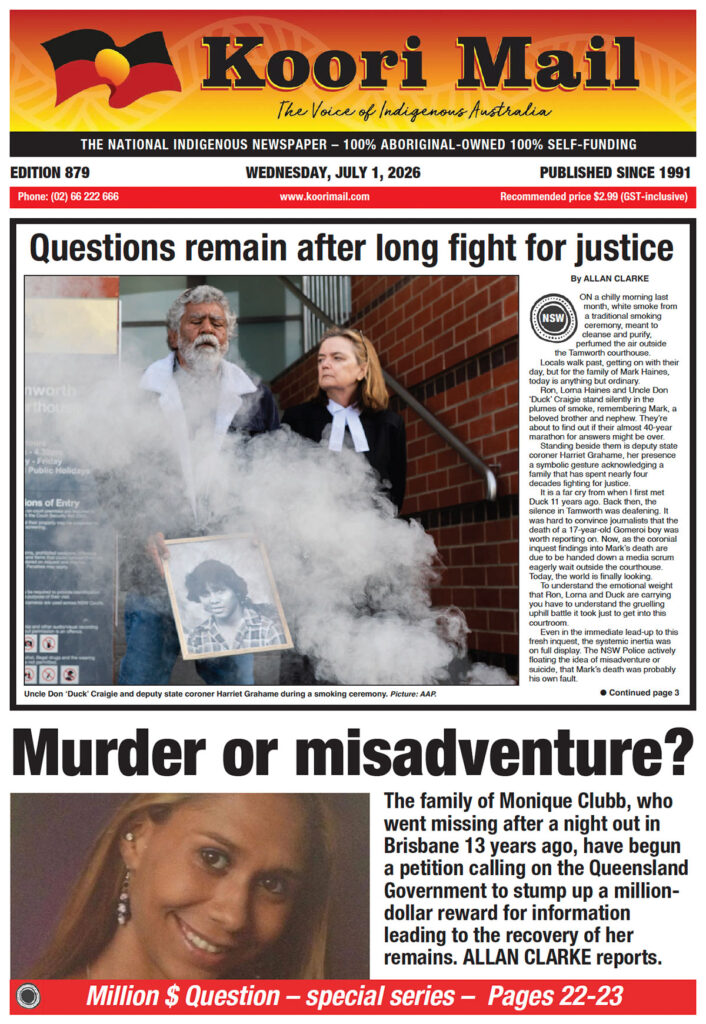
NEW edition out on Wednesday

SA: Million $ Question: Secrets hidden in red dirt – this is the third report in a series examining Indigenous cold cases by award-winning journalist Allan Clarke. Karen Williams was just 16 years old when she went missing after a night out in Coober Pedy, NSW, in 1990. Her mother Eva is still hoping for justice, 36 years later.

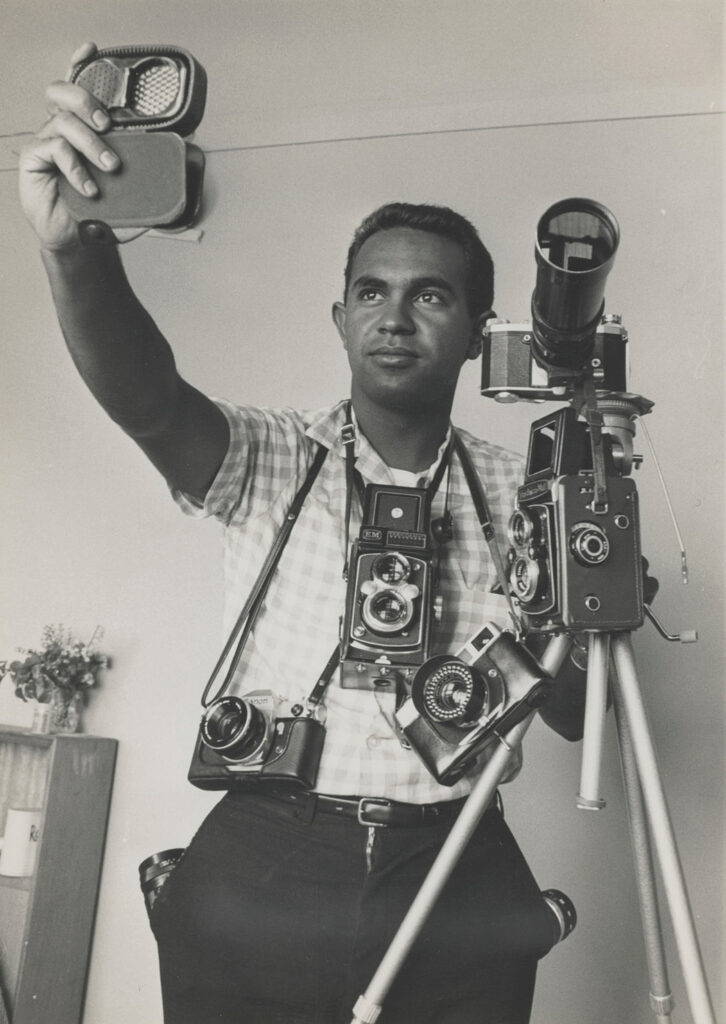
AUS: Aboriginal soldier, Private William Allan Irwin, captured three machine gun posts during a fierce battle in France during World War 1 and was struck down attempting to silence a fourth. He was awarded the Distinguished Conduct Medal – the second-highest award for bravery at the time. Yet in the same battle, another Australian soldier – Private George Cartwright – received the Victoria Cross, the nation’s highest military honour, for capturing a single machine gun position.

AUS: This edition, number 876, marks 35 years since the Koori Mail began. What started as a seed of an idea to ‘provide a voice for Kooris everywhere’, has grown and flourished to become a much loved newspaper across the country, with the honour of being the first in Australia to be fully digitised as a national resource by the Australian Institute of Aboriginal and Torres Strait Islander Studies.

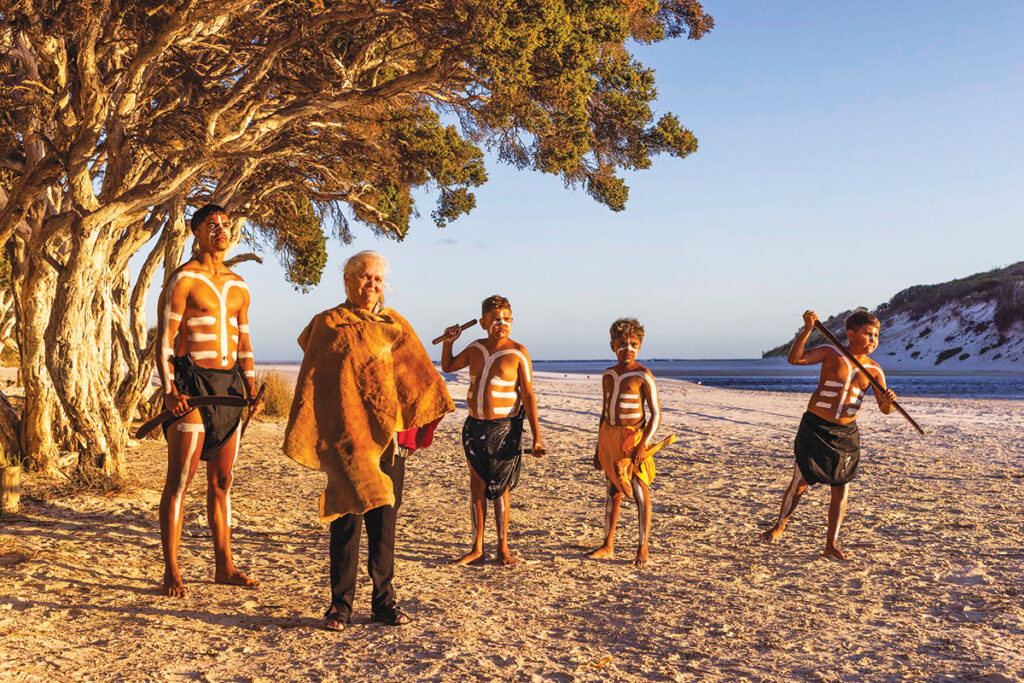
WA: An Aboriginal community awarded $150 million in compensation in a battle with a mining giant says it is a win for First Nations peoples, but the group says its disappointed with the size of the payout after Andrew Forrest’s Fortescue Metals Group built lucrative mines on its lands without agreement and destroyed cultural sites.

AUS: The Koori Mail spoke with Phoebe Marson Gulpilil, daughter of David Gulpilil, who is actively involved in preserving her father’s legacy. As a policy maker at Djarrka, a Yolngu-led consultancy focusing on strategic policy and community impact, Phoebe works across First Nations organisations, bridging two worlds – the old and the new – just like her father before her.

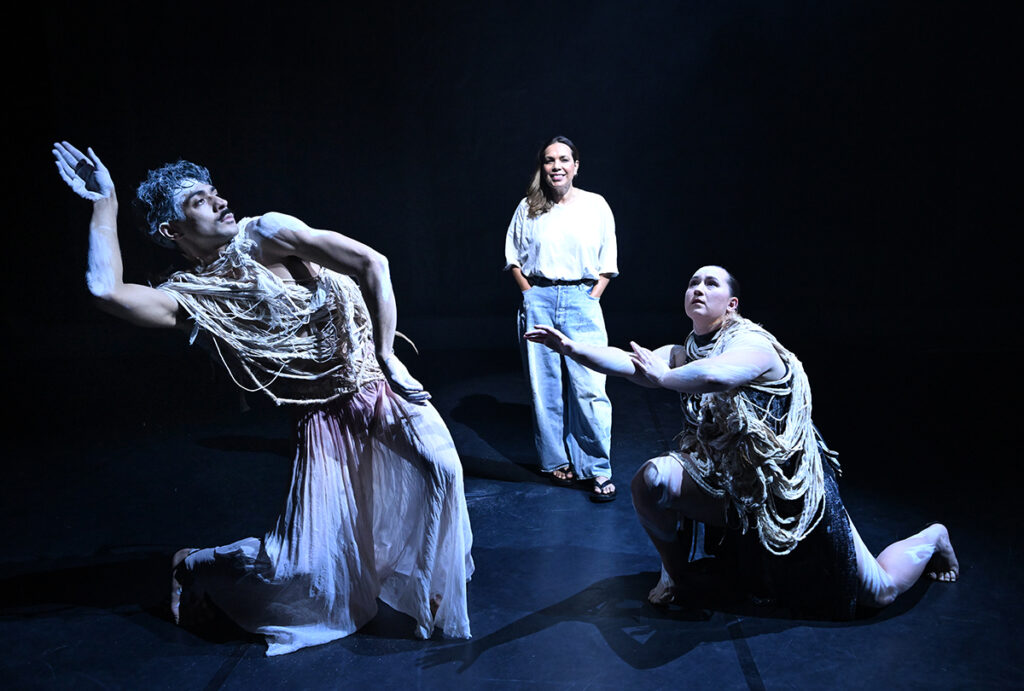
VIC: The Torch program recently launched Confined 17 showcasing works from First Nations artists with experiences of incarceration. The program mentors First Nations inmates in Victoria’s prisons, reconnecting community members with culture and offering an opportunity to earn income from their art.


Latest News Stories

Jacinta ‘Cindy’ Smith, 15, and her cousin Mona Lisa Smith, 16, were found near a smashed ute outside Bourke, NSW, in 1987.

Million $ Question – Murdered Most Foul

Wednesday, 6 May 2026 4:50 pm

By Allan Clarke

This is the second report in a series examining Indigenous cold cases by award-winning journalist Allan Clarke.

The Mitchell Highway stretches from Bourke, in far western NSW, like a shimmering black snake slithering north through the unfurling outback. This is the outback romanticised in Henry Lawson and Dorothea McKellar poems, but for two Aboriginal families it’s a place of darkness. A place where two young girls had their lives cut short in an instant. A place where a 39-year battle for justice was born out of carnage.

Artwork of Kumanjayi Little Baby by Danny Eastwood

Alice Springs erupts as man charged with little girl’s death

Wednesday, 6 May 2026 4:46 pm

A man has been charged with murdering a five year old girl after she disappeared from an outback town as police condemn violent unrest that erupted following her death. Jefferson Lewis, 47, has been accused of killing Kumanjayi Little Baby, the name used for the child after her death at her family’s request in line with cultural tradition. The girl went missing from a home on an Indigenous town camp near Alice Springs, sparking a massive five day search for both her and Lewis. The 47 year old had been out of prison for six days when she disappeared.


Gamilaroi woman Nita Gladys ‘Aunty Glady’ Kennedy. Picture: supplied.

A Century of Strength

Wednesday, 6 May 2026 4:44 pm

For many Australians, reaching the age of 100 is a remarkable milestone — a moment to reflect on a long life and celebrate the years lived. 

For Aboriginal and Torres Strait Islander communities, however, such milestones are far rarer. Lower life expectancy rates, shaped by generations of dispossession, systemic inequality and limited access to healthcare, mean that few Aboriginal people are afforded the chance to celebrate a 100th birthday. 

When it does happen, it carries deep significance — not only for the individual and their family, but for the entire community. This weekend, the Walgett Aboriginal community in western New South Wales will come together to celebrate one such rare and powerful milestone, honouring 100 years of life for proud Gamilaroi woman Nita Gladys “Aunty Glady” Kennedy. Born in Walgett in 1926, Aunty Glady is the eldest of seven children — five girls and two boys — and grew up at the nearby Gingie Mission, a place that shaped much of her early life. 


Uncle Ray Minniecon delivers the Acknowledgment of Country during the ANZAC Day dawn service at the Cenotaph in Sydney last month. Picture AAP

Call for more police at services

Wednesday, 6 May 2026 4:42 pm

By Laine Clark and Robyn With

A leading Indigenous activist is calling for a larger police presence at future dawn services after ANZAC Day acknowledgements were heckled and booed. Indigenous speakers at Sydney, Melbourne and Perth services were booed and heckled, sparking condemnation. Marcia Langton accused the ‘forces of the right’ of perverting Welcome to Country’s meaning, calling for more police as dawn services.


Mavis Kerinaiua with her new book, ’Tiwi war kwampini: Mwarlapwara kangi tingati (Tiwi War Hero: Footprints in the Sand). Picture supplied.

Untold Tiwi war story comes to life in new children’s book

Wednesday, 6 May 2026 4:40 pm

Tiwi author Mavis Kerinaiua is bringing attention to the largely untold role of the Tiwi people in World War 2 in her powerful new book. Published by the Indigenous Literacy Foundation, ’Tiwi war kwampini: Mwarlapwara kangi tingati (Tiwi War Hero: Footprints in the Sand) written, translated and illustrated by Mavis Kerinaiua, with support from Laura Rademaker, tells the story of Louie Purraputimali Munkara, Mavis’ grandfather, who played a pivotal role in protecting Northern Australia during the war. The book sheds light on a hidden wartime contribution and explores the role of Tiwi people, including those known as the ‘Black Diggers’ in patrolling and protecting Australia’s northern coastline during World War 2.

Pansy, played by Deborah Mailman, at a campsite in Wolfram. Picture: Dylan River

Warwick Thornton and Deborah Mailman team up again for Wolfram

Wednesday, 22 April 2026 3:41 pm

By Christian Morrow

Wolfram, the new film by award-winning director and cinematographer Warwick Thornton, starring Deborah Mailman is now playing in cinemas across Australia.

The follow-up to Thornton’s brutal and uncompromising Sweet Country and set in the same universe of the Australian colonial frontier of the 1930s, Wolfram nevertheless offers faint glimpses of hope amongst the brutality. 

The film follows two outlaws who roll into a mining town, their cruelty shattering the fragile community and driving three irrepressible kids to break free from their white masters and set off across the Australian outback in search of home.

Written by Steven McGregor and David Tranter, Wolfram had its international premiere in the main competition of the 76th Berlin International Film Festival in February 2026, where it was nominated for the prestigious Golden Bear.

Starring alongside Mailman are Erroll Shand, Joe Bird, Thomas M Wright, Matt Nable and Pedrea Jackson, in what Thornton describes as a taut frontier western where Aboriginal child labourers in the wolfram (tungsten) mines confront colonial brutality and injustice.

The Koori Mail spoke with the legendary Deb Mailman ahead of the film’s local release.