Discover the man who captured history
A rare glimpse into the life of one of Australia's most important photographers, Mervyn Bishop, will soon be on display at the State Library of NSW.
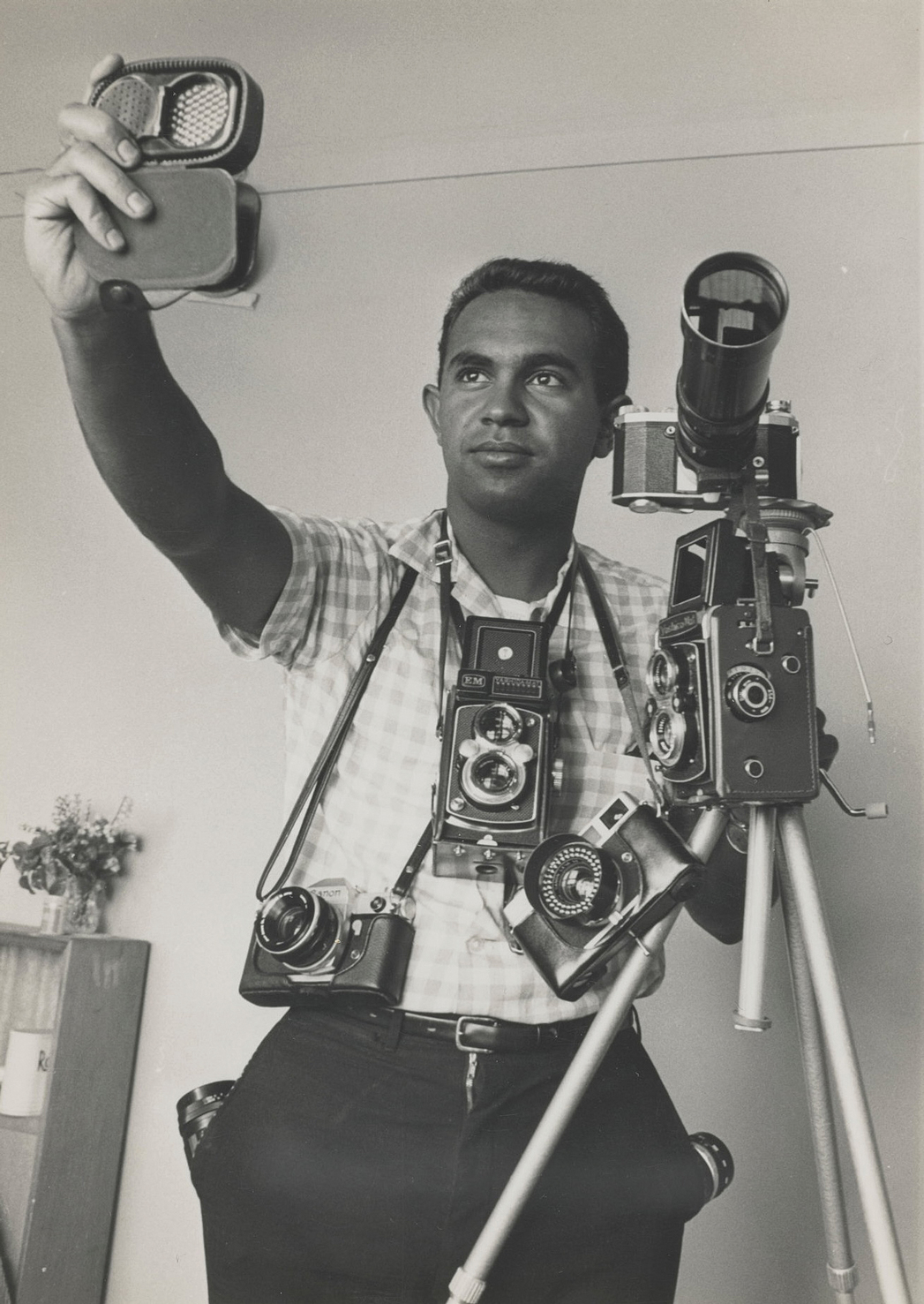
Mervyn Bishop with camera gear in the 1960s. Picture: Roger Martin.
He’s the man behind one of Australia’s most powerful photographs – prime minister Gough Whitlam pouring soil into the hand of Gurindji Elder, Vincent Lingiari.
Now, the State Library of NSW is unveiling the most personal exhibition yet on Murri photographer Mervyn Bishop, after acquiring his entire archive.
Opening October 18, the exhibition Mervyn Bishop: Close Up provides a rare glimpse into the life of one of Australia’s most important photographers.
Visitors will see his best-known work alongside intimate family photos, drawn from more than 200,000 images.
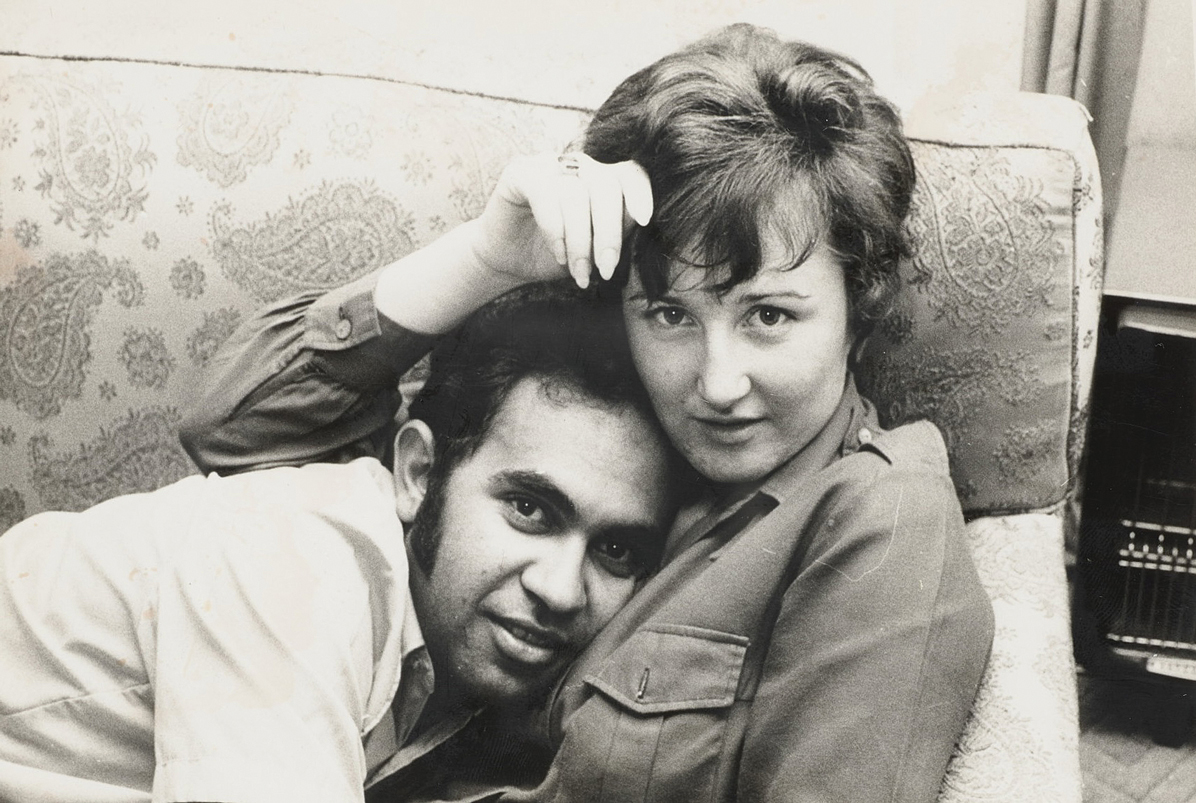
According to exhibition curator and one of the library’s specialist librarians, Ronald Briggs:
“The library rarely collects an entire archive of a single photographer – this is only the second, following Max Dupain, such is the documentary value of Mervyn Bishop’s work, which covers many of the key people and events we associate with Aboriginal affairs over the years.
“He took many iconic images – from land rights to Roy Orbison – yet few people know the man behind them.”
In 1963, Mr Bishop joined the Sydney Morning Herald as a cadet photographer and was the first Aboriginal person to work on a metropolitan daily newspaper.
Just four years after completing his cadetship, in 1971 he won the Nikon-Walkley Australian Press Photographer of the Year award.
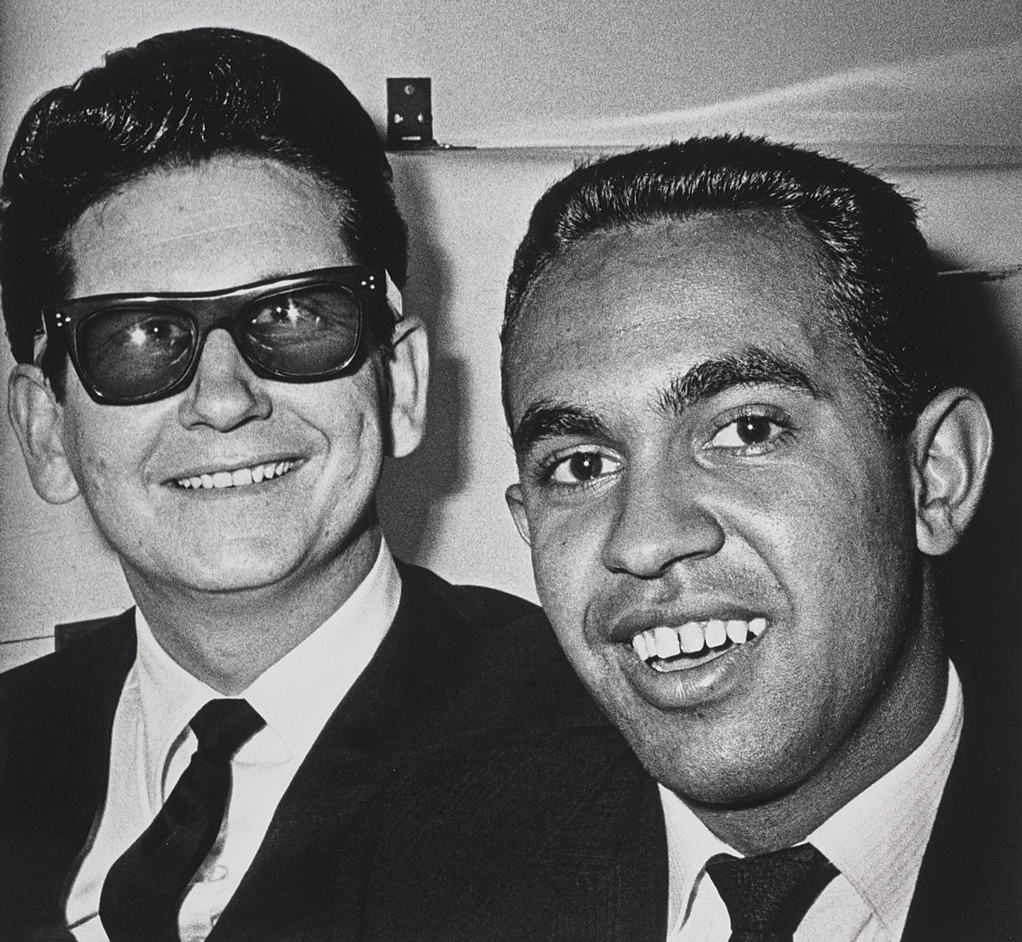
His passion for photography came from his mum Marjorie, a keen amateur photographer who captured many rare images of their hometown Brewarrina, in far-western NSW, and its First Nations community.
Bishop recalls seeing one of his photos being printed for the first time:
“Watching this image come up, I was smitten. The smell of it all, the chemicals, the dark under the safe light, I just loved it. I would have been about 12 or so.”
He bought his first camera – which took slides – in the late 1950s and started having slide nights in his backyard by tossing a white sheet over the Hills Hoist clothes line and using a projector.
“Half the street used to come along, and the local kids would see their little faces projected large on the sheet,” Mr Bishop said.
He went on to capture defining moments in Australian history, from the rise of the Aboriginal land rights movement to portraits of political leaders, entertainers and community figures, alongside everyday life in places he called home.
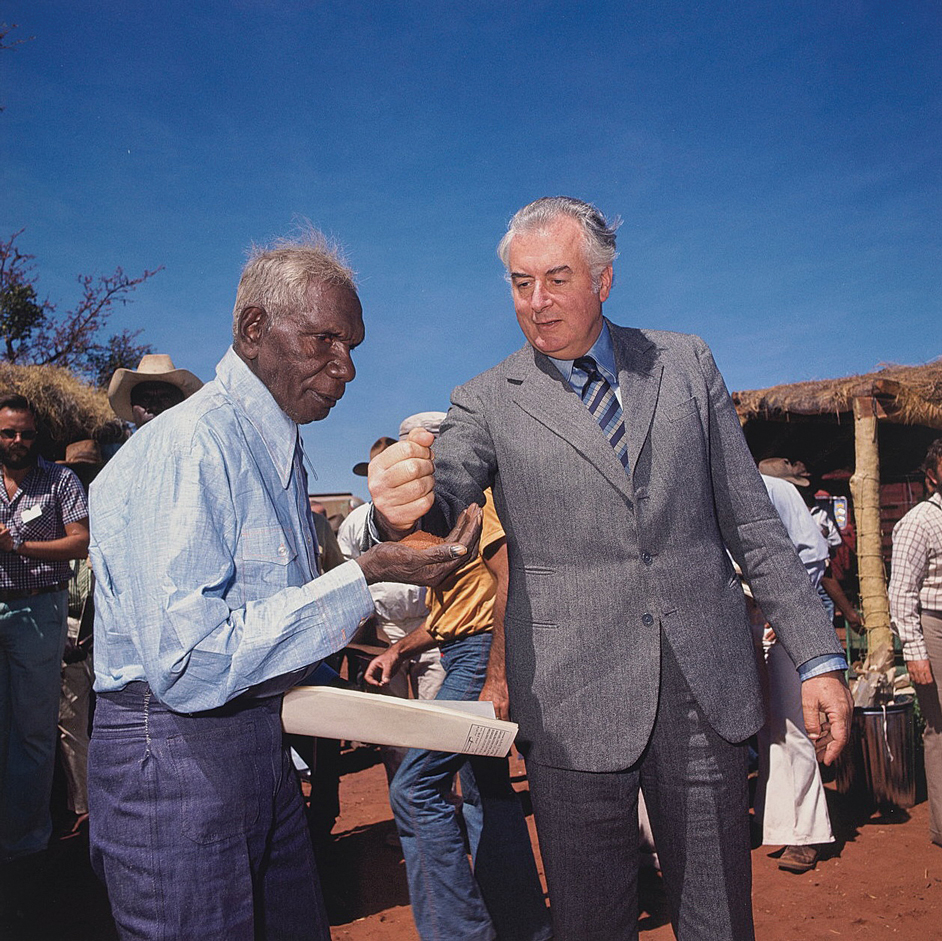
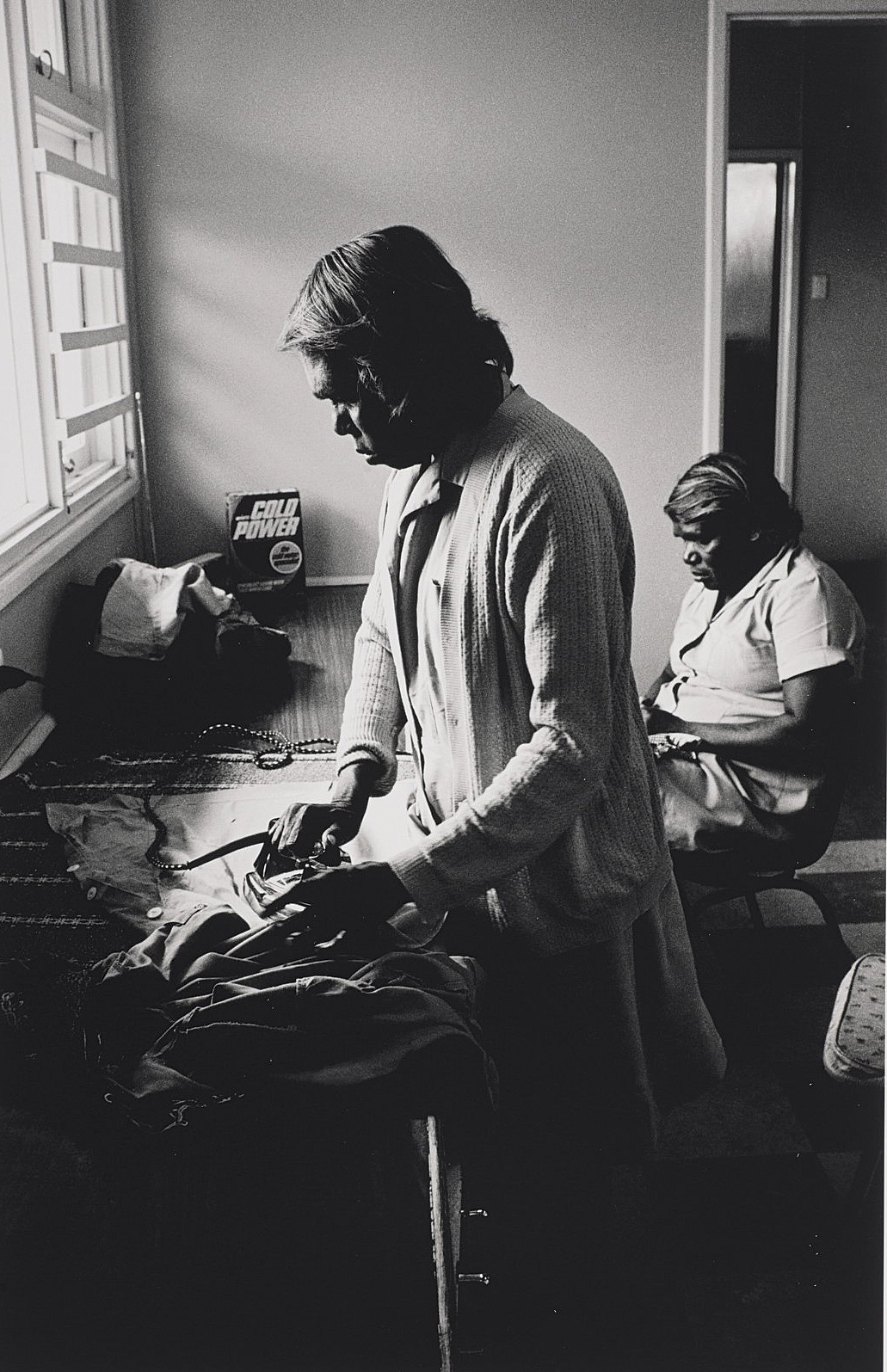
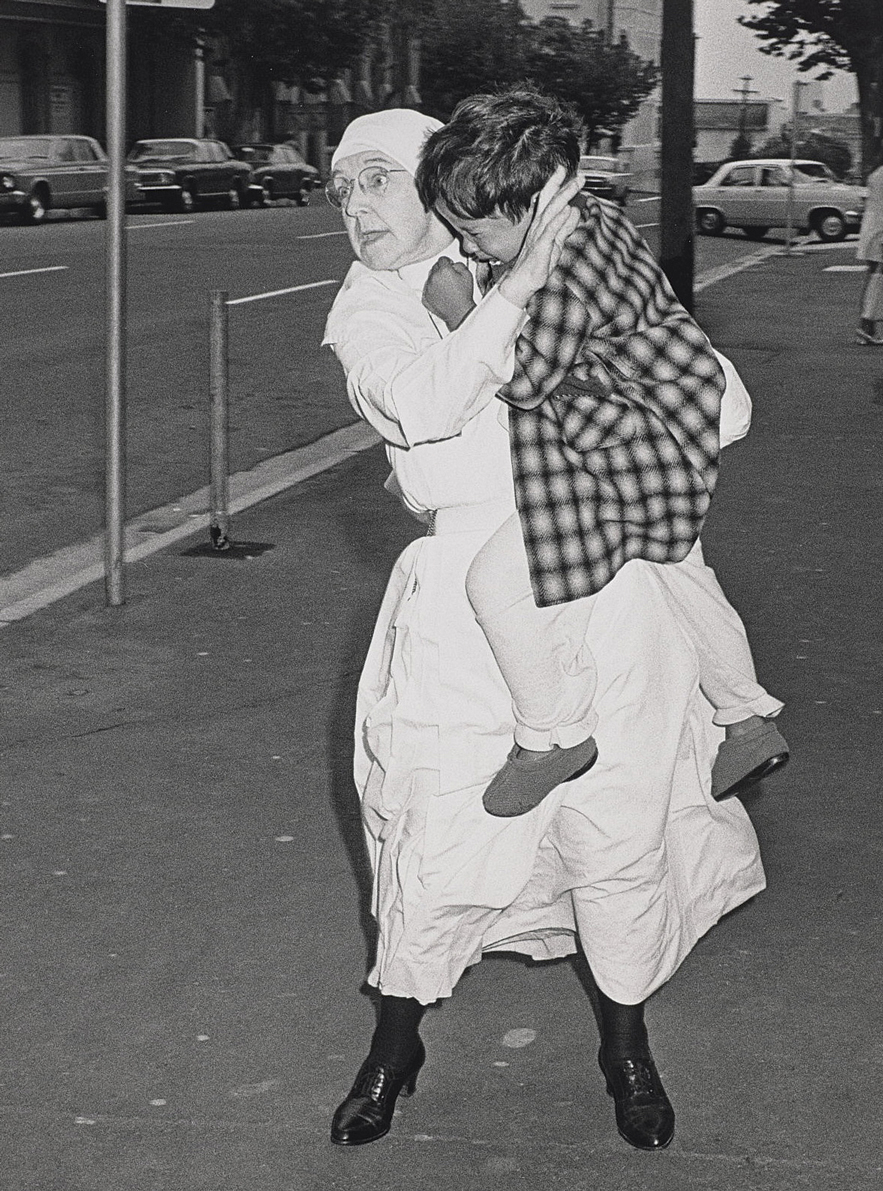
“I did what I could to the best of my ability without getting caught up in the politics of things,” said Mr Bishop, who also worked as a PR photographer for the federal department of Aboriginal affairs.
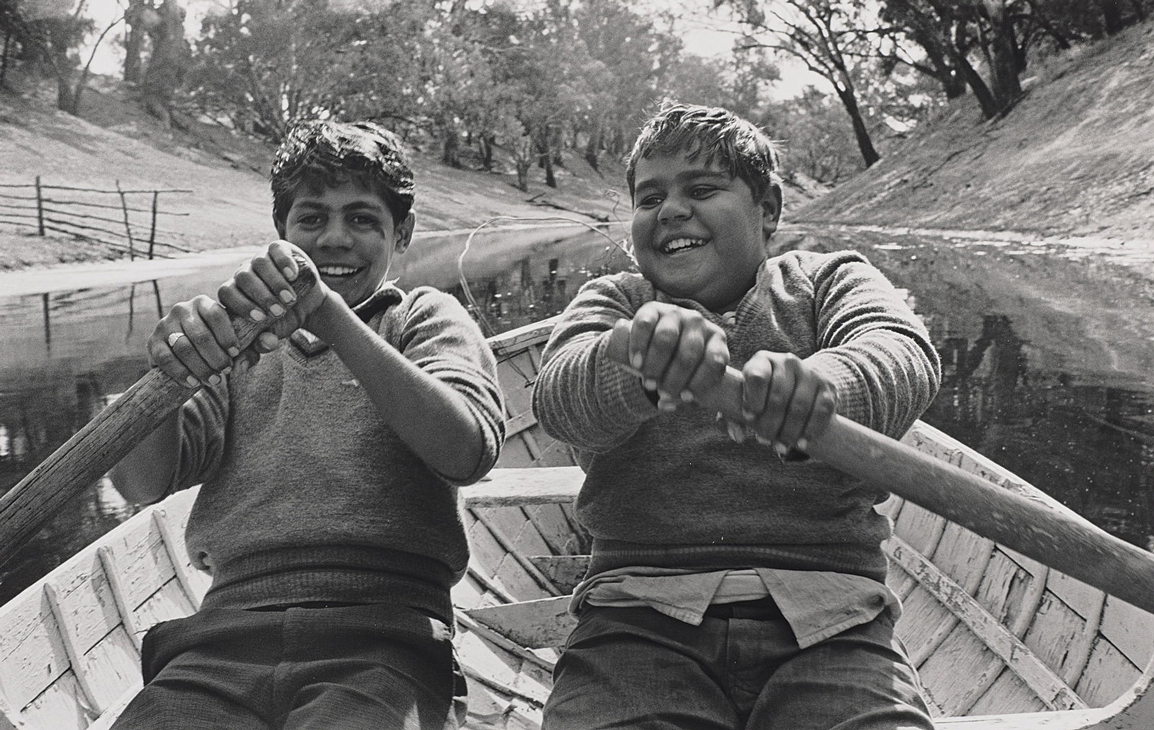
His favourite image of cousins Ralph and Jim in an old boat at Gundawera Station in outback NSW is on display, along with family happy snaps and images of Brewarrina.
Visitors can also see some cameras from his collection and hear excerpts from his oral history recorded by filmmaker Dean Saffron.
Mervyn Bishop: Close Up is being presented as part of the State Library’s 200th anniversary. It’s free to enter at the library and continues until February 7 next year. Visitors should note the exhibition includes names and photos of people who are now deceased. Visit sl.nsw.gov.au