Cultural fishers slam plan to buy back abalone licences
Aboriginal cultural fishers say the NSW Government’s latest announcements, said to address decades-long depletion of abalone, are designed to prevent cultural fishers from practising culture, and make it harder for Mob to participate in the industry.
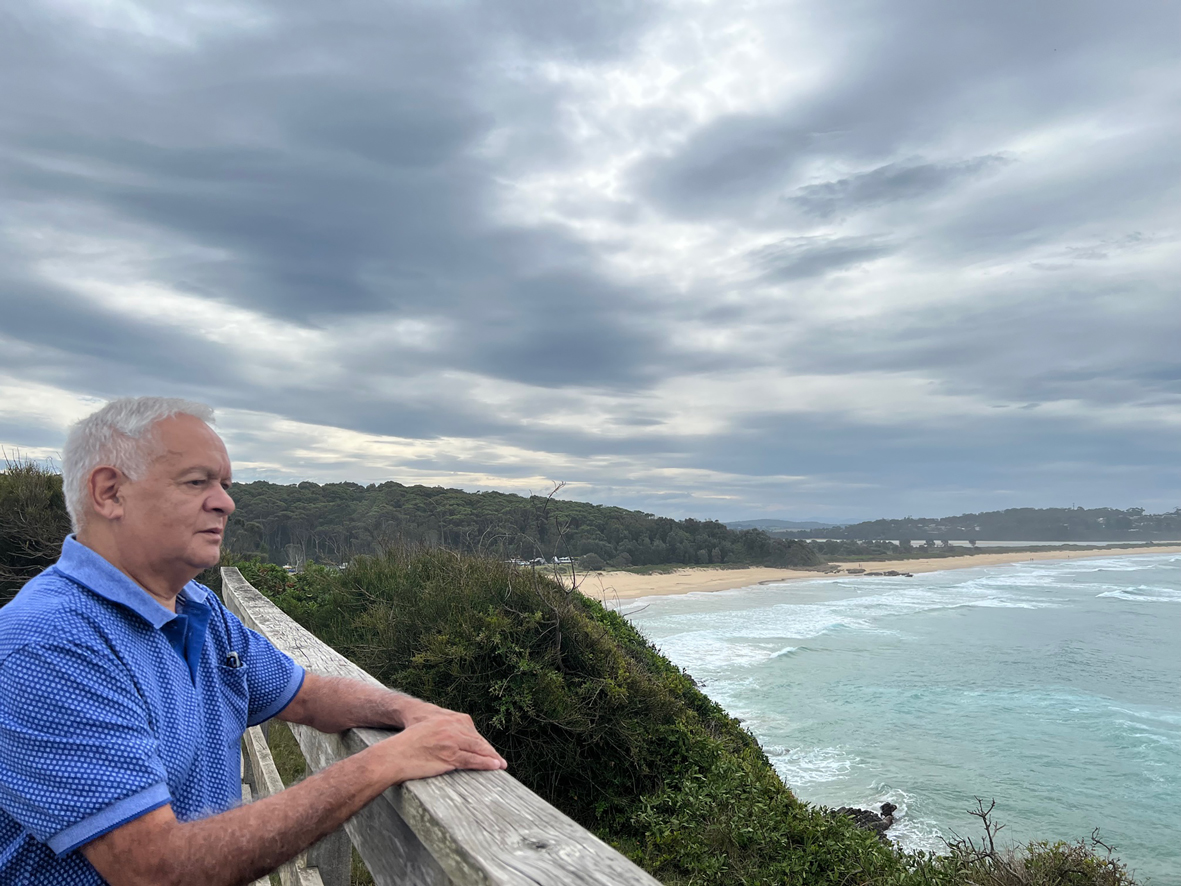
NSW Aboriginal Land Council’s South Coast region councillor Danny Chapman. Picture: supplied.
By MARION WILLIAMS
Aboriginal cultural fishers view the NSW Government’s latest announcements, said to address decades-long depletion of abalone, as increasing the government’s powers to try to prevent them from practising their culture or participating in the industry, while giving a golden handshake to the commercial abalone fishers largely responsible for making the industry unsustainable.
Decades-long battle
The government has introduced a bill to parliament to bolster NSW Fisheries surveillance and compliance powers.
So, despite a series of failed prosecutions against cultural fishers where the charges were dropped or withdrawn, the government continues to ignore cultural fishers’ right to harvest abalone under Commonwealth Native Title Law.
The government also offered to buy back the shares from commercial abalone fishers at $6,355 per share, plus money for training and financial advice to support the industry’s “transition”, as it announced that the coast from Bundeena to Red Point, south of Eden, would be closed to commercial abalone fishing from July 1, 2027.
The share buy-back offer was made after the 2026/27 total allowable catch for abalone was cut to 52 tonnes, down 41 per cent from 88 tonnes in 2025/26, making the industry unsustainable for many commercial fishers.
Abalone numbers have been declining due to overfishing, climate change impacts and, according to the NSW government, “illegal, unreported and unregulated” fishing.
Walbunja man Wally Stewart is a Traditional Custodian, advocate for Aboriginal fishing rights and a member of the applicant for the South Coast Native Title Claim.
The claim covers land from Bundeena in southern Sydney to the Victorian border and extends three nautical miles offshore. It was lodged with the federal court in 2018 and is progressing.

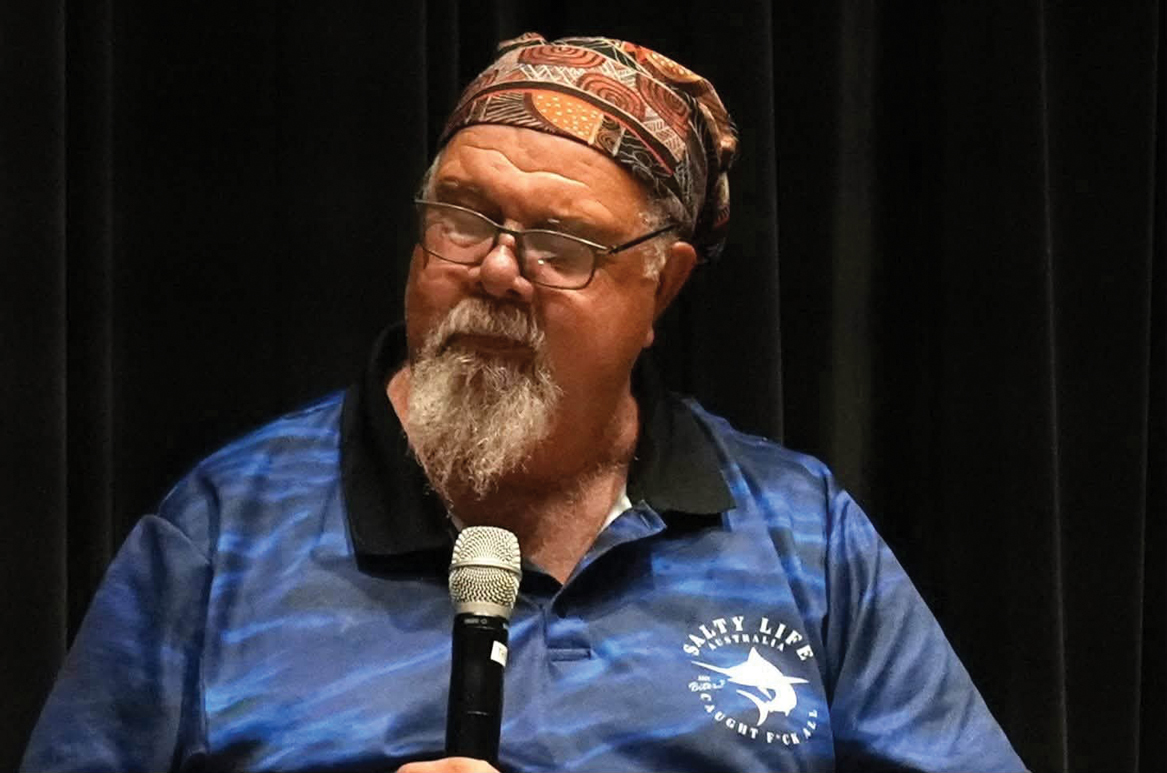
“I am disappointed the commercial fishers got paid out for damaging our Sea Country, but I am glad they are out of it once and for all,” Mr Stewart said.
“I am disappointed the government isn’t talking about any money for restoration which we urgently need.”
Sea urchins are destroying kelp forests and growing seal populations are eating tonnes of fish daily.
“It seems like Native Title holders are the only ones lobbying for restoration,” Mr Stewart said. “The others just want their golden handshake.”
NSW Aboriginal Land Council’s South Coast region councillor Danny Chapman noted a separate regulatory change to introduce a ‘fit and proper’ test for commercial fishing licences, including the completion of a National Police Check.
He said it means the many cultural fishers who have been prosecuted won’t be able to hold a licence when abalone stocks are restored.
Racism prevails
Mr Stewart said the commercial abalone fishers had no right to take their abalone and sell it overseas.
“They will never understand the cultural connection,” Mr Stewart said.
“We are trying to hang on to our culture on the South Coast and fix up the water. In just 40 years they destroyed it. I blame the government who is supposed to be managing this. They have discriminated against us, continuing to say we are fishing illegally when they know we have a legal right to take it.”
Mr Chapman urged the government to take the opportunity to restructure the NSW Fisheries department and get rid of all the racist systems in place and those who have intentionally given bad advice to the government.
“The bureaucracy has been giving advice to the government to the advantage of professional fishers,” Mr Chapman said.
“That advice led to the resource being over-exploited and then it was blamed on the Blackfellas.”
“I am not happy that the commercial fishers are getting paid out whereas all the people who have been unjustly prosecuted have not been compensated or even offered an apology from the government.”