Icons of First Nations sporting history
Michael Ah Matt – First Nations basketball genius Michael Ah Matt was one of the first Indigenous Australians to represent Australia at an Olympic Games.
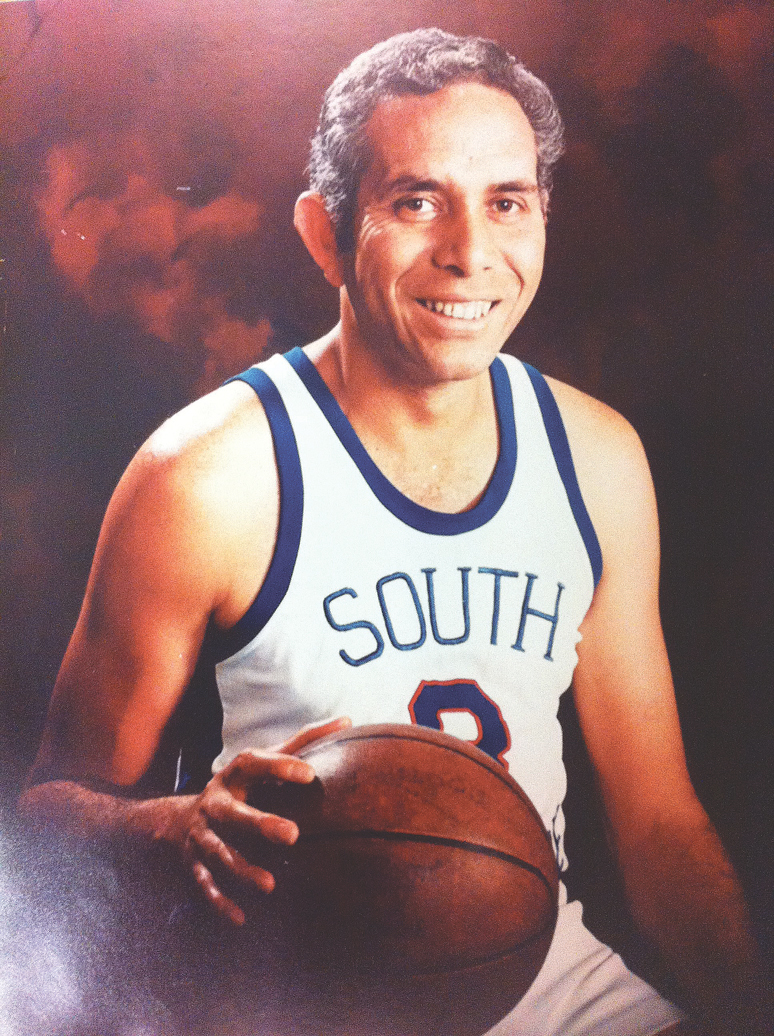
Michael Ah Matt wore the number 8 vest for the Panthers for 20 years. Picture: supplied.
In a special series for 2026, two-decade correspondent of the Koori Mail PETER ARGENT looks back across the history of First Nations sports people in this country, looking for the competitors that became heroes and idols in their respective sporting codes.
Michael Ah Matt
Ah Matt competed in the 1964 Summer Olympics in Tokyo, along with fellow First Nations men Adrian Blair and Frank Roberts, who were members of Australia’s 10-man boxing squad.
Born in Townsville in 1942, Ah Matt grew up in Darwin after his mother died during his birth.
In his youth he was an incredible athlete, breaking records in athletics and naturally featuring on the basketball court.
Ah Matt played for the Northern Territory in the 1959 Australian Basketball Championships before moving to Adelaide where he would have a 20-year, 588-game career with the South Adelaide Panthers.
He was also a handy Aussie Rules footballer as well, playing in Whyalla for a couple of years, and participating in interleague representative football in the late 1960s.
At 189cm (6’2”) tall, Ah Matt had been selected to represent his nation in an era where this country was still dealing with institutional racism which had dated back more than 100 years.
The fact he was given such an honour attests to the fact that he was the embodiment of the term ‘trailblazer’.
The Boomers would go on to finish ninth at the 1964 Tokyo Games, which was an improvement on the Australian team’s 12th position at the 1956 Melbourne Olympics.
Ah Matt’s best game of the 1964 tournament came against the gold-medal-winning Team USA, which featured legendary player and coach Larry Brown.
In that game, Ah Matt was the only Boomer to reach double figures, tallying 11 points, and was also the only player in the green and gold to shoot the ball at over 50 per cent from the field, scoring four times from seven attempts.
Along with being a member of the Australian team for the 1964 Olympics, Ah Matt was also a member of the national basketball squad that competed in the 1968 pre-Olympic qualifying tournaments in Monterrey, Mexico, but unfortunately failed to qualify for the main event.
Famously, Australian Football Hall of Fame inductee Barrie Robran wrote a stirring poem dedicated to Ah Matt after watching him play for South Adelaide, when Robran’s future wife, Taimi, was playing in the Panthers women’s team.
He wrote:
“There will never be another Michael, there couldn’t be.
“Forever his feats will live in my memory.
“Ali, Lewis, Pele, Jordan, Fraser and Ah Matt,
“Simply the greatest I’ve seen and that was that.”
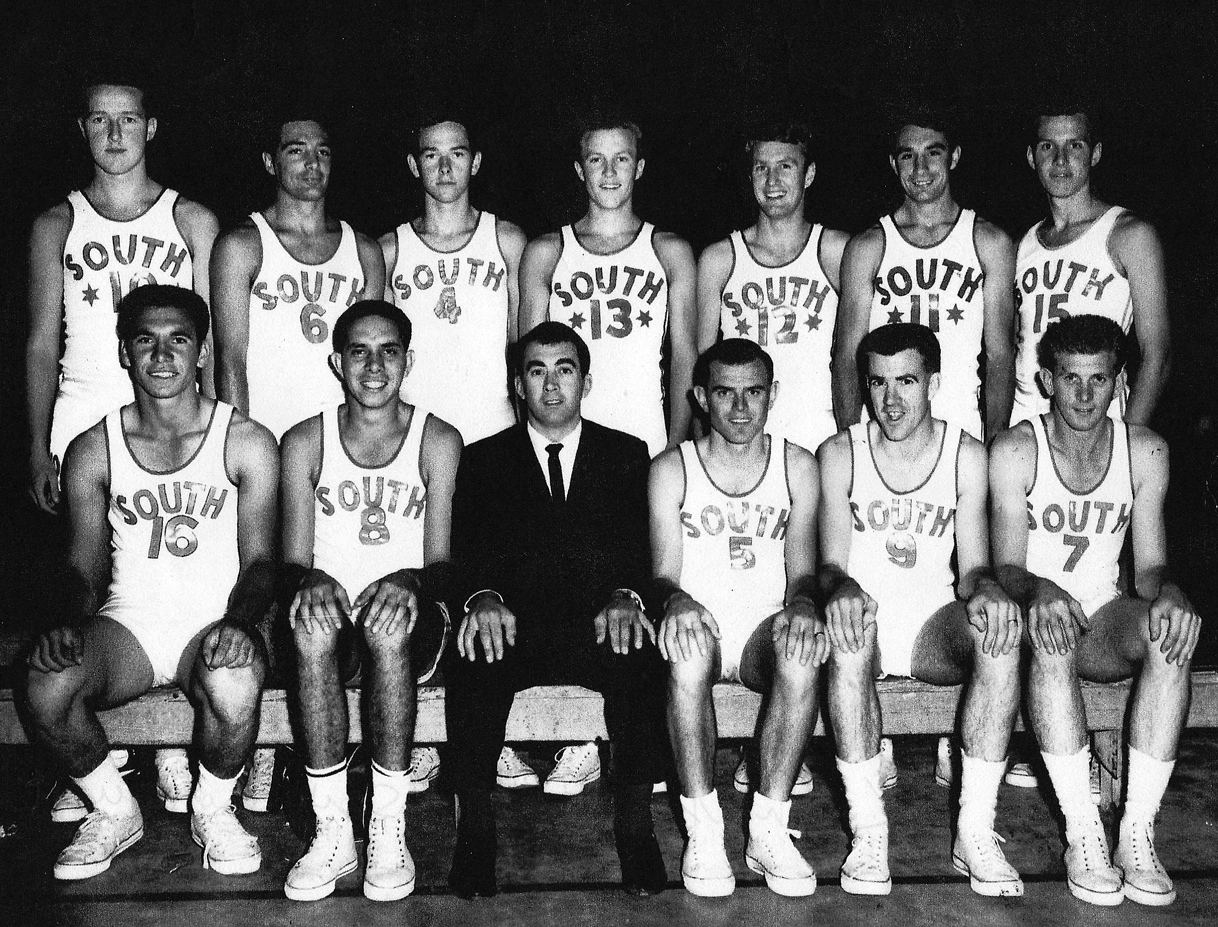
Ah Matt’s legendary ball skills helped the South Adelaide Panthers to its first title, in 1963, and then subsequent flags in 1965, 1966, 1969 and 1973.
His reverence on and off the court was unquestioned in SA basketball. He was likened to former American stars Larry Bird and Magic Johnson for his elite passing ability, and Michael Jordan for his superb all-round game.
Ah Matt died from a heart attack in 1983, at the age of 40.
He was posthumously inducted into the South Australian Sport Hall of Fame, Australian Basketball Hall of Fame and the Australian Aboriginal and Torres Strait Islander Sports Hall of Fame.
The South Adelaide number-one court at the Marion Basketball Stadium is also named in Ah Matt’s honour.
His sporting talent was also inherited by his offspring, with son Shane playing for South Adelaide and also enjoying premiership success with the Panthers before travelling to America and playing college hoops.
Ah Matt’s daughter Kirsty played state league basketball for South Adelaide and also represented South Australia through the age groups at national championships in the 1980s.
A third generation of the Ah Matt family, Isaiah, played a season at South Adelaide in 2020.