Spicy treat recognises the nine nations of Lutruwita
Prior to invasion, Lutruwita/Tasmania was made up of nine nations. Now a new ‘Palawa Native 9-Spice’ celebrates those nations, who each had their own language, knowledge, relationship to Country and relationships to each other.
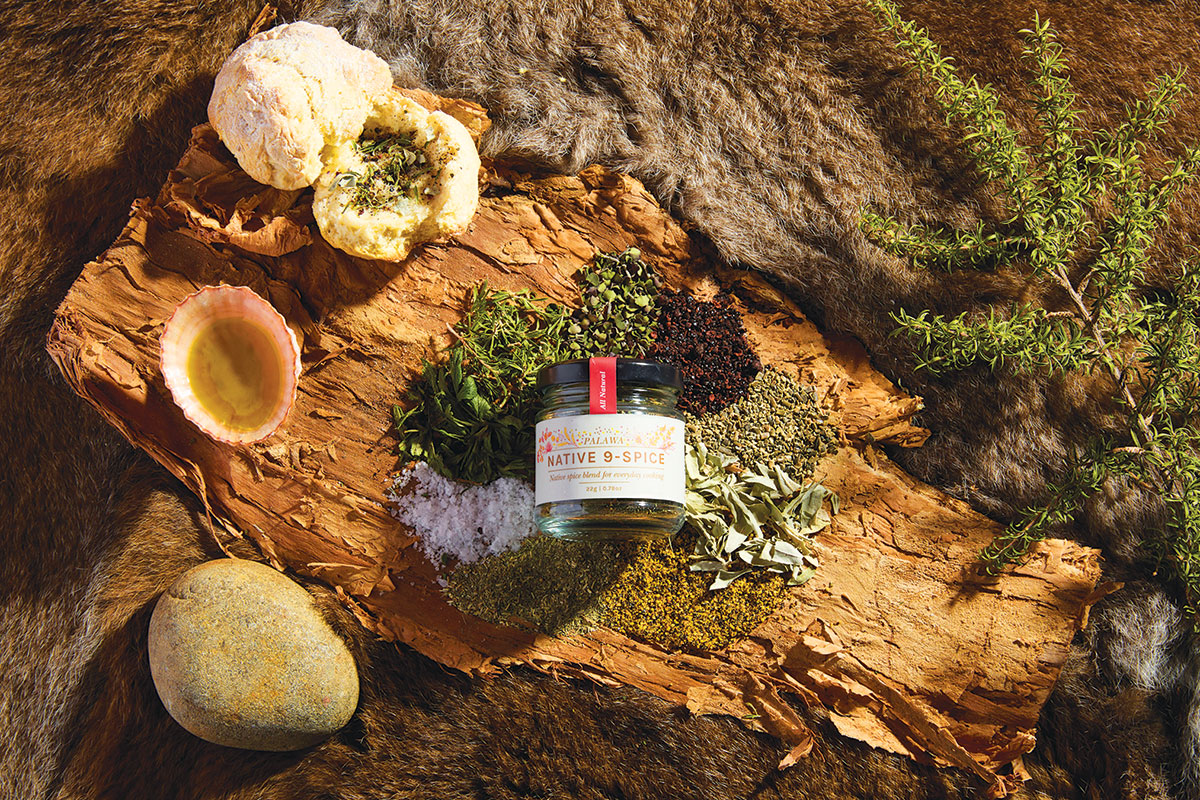
The mix of nine native herbs and spices represents nine original nations of Lutruwita/Tasmania. Picture: Yasmin Mund.
By JILLIAN MUNDY
Prior to invasion, Lutruwita/Tasmania was made up of nine nations. Now a new ‘Palawa Native 9-Spice’ celebrates those nations, who each had their own language, knowledge, relationship to Country and relationships to each other.
It was launched last week by Palawa Kipli, a catering, tour and now product enterprise, owned and operated by the Tasmanian Aboriginal Centre.
Made up of kunzea, pepperberry, wattleseed, salt bush, Lutruwita kelp, sea salt, river mint, sea parsley and round leaf mint bush, the spice can be used as a dry rub, seasoning or finishing spice on meat, seafood or vegetables, or you can add a pinch to olive oil for a native infused dip – and it’s also yummy sprinkled on cheese and biscuits.
Produced in collaboration with and mentoring from Zea, a family-owned Australian health and wellness company, each one of the blend’s ingredients grows in one of the nine tribal areas.
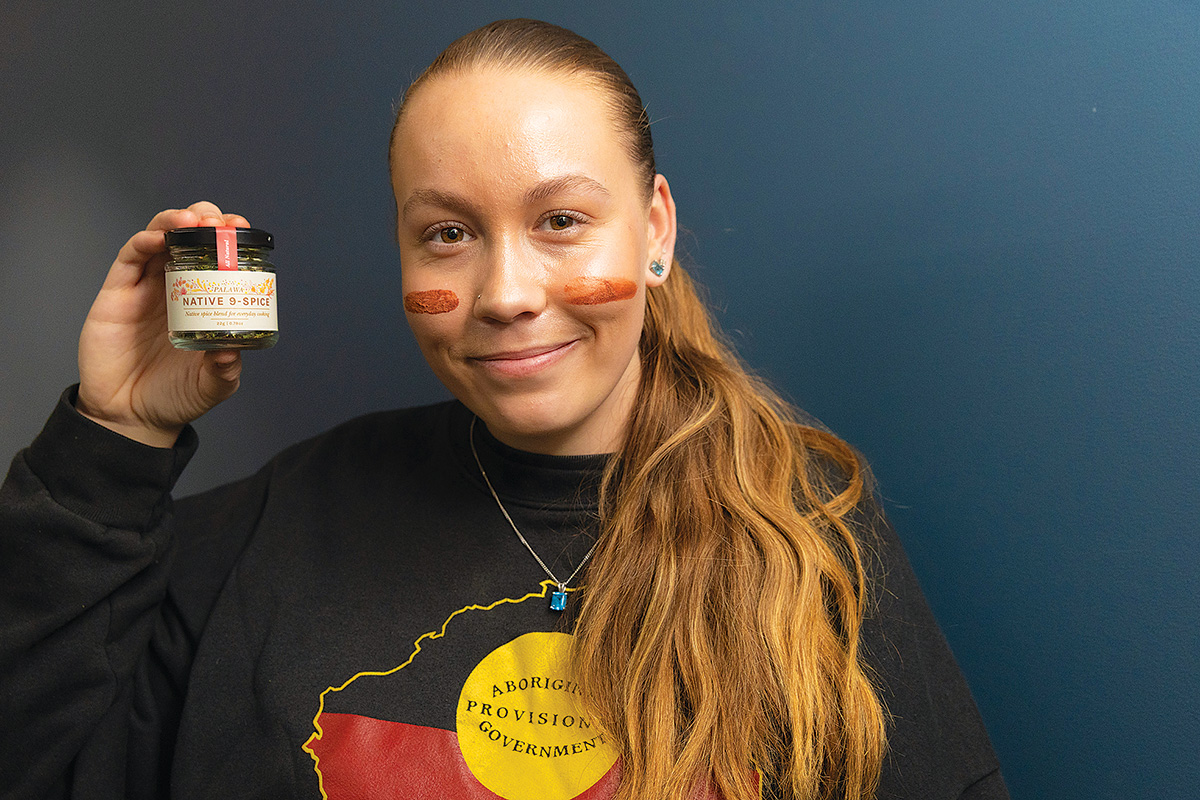
Palawa Kipli business manager Kitana Mansell said the light bulb moment came when she appeared on a 2020 SBS cooking show alongside Torres Strait Islander chef Nornie Bero, who produces Native 5-spice – a twist on the Chinese 5 spice.
“I instantly thought, ‘Native 9-Spice. One day I’m going to have that’.”
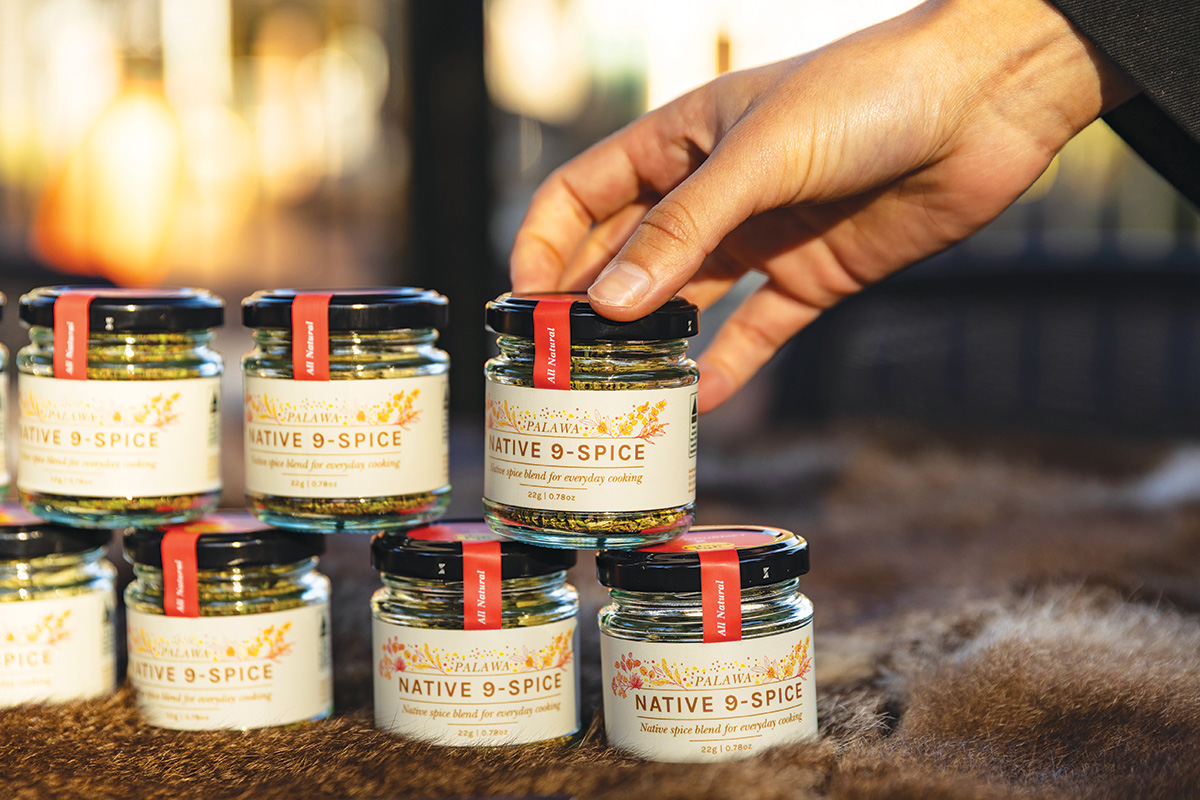
It was launched last week, but it’s not so easy to get your hands on the limited-edition batch. There were just 500 little jars of it produced.
Two hundred and fifty were for sale in NAIDOC week, 150 set aside to offer Palawa Kipli’s ‘Kipli Takara’ bush tucker tour customers and 100 available in Zea’s online shop. Kitana is tight lipped about the product’s future.
“First in, best dressed,” she told the Koori Mail. “I’m just going to say we have now launched the first Palawa Kipli product, there’s so many other products we would like to launch, this is just one. You’ve just got to watch this space, we will let the next products tell the rest of the story.”
Palawa Kipli was launched as a street food stall in 2018 by Kitana’s cousin, Tim Sculthorpe, before selling it to the Tasmanian Aboriginal Centre in 2019. Like several other Aboriginal youth, Kitana worked casually for the Palawa Kipli stall at local festivals.
At the same time she was doing a business traineeship with Macquarie Point Development where her duties included looking after a native and European edible garden. But her passion for trying and sharing different foods began a few years earlier.
“I was very lucky to have a family that took me overseas, we would travel around mainly Eastern Asia to experience [different] cultures,” Kitana said. “I was passionate about trying cultural foods, a lot of people would say it’s adventurous, but when I’m over in their country eating their traditional foods, that is just the local cuisine of that place.”
At home, she would eat what some would call traditional Tasmanian Aboriginal food, but to most people it is not considered the local cuisine.
“Something like 98 per cent of the food we eat originates overseas, all the food they are farming is part of colonisation of our land, it’s not good for Country, it doesn’t belong here.”
Kitana now offers international visitors, and locals, truly local cuisine.
Palawa Kipli, which translates to Tasmanian Aboriginal food, has grown to operate from returned Aboriginal Land at Piyura Kitina/Risdon Cove where they have a bush tucker garden, and offers statewide catering, fine-dining experiences, bush tucker tours, and now products. They have five casual Aboriginal employees and this week a qualified chef is coming onboard with plans to take on apprentices.