Land returned to Palawa
The return of three areas of land, from private citizens to Palawa ownership, was celebrated during Reconciliation Week.
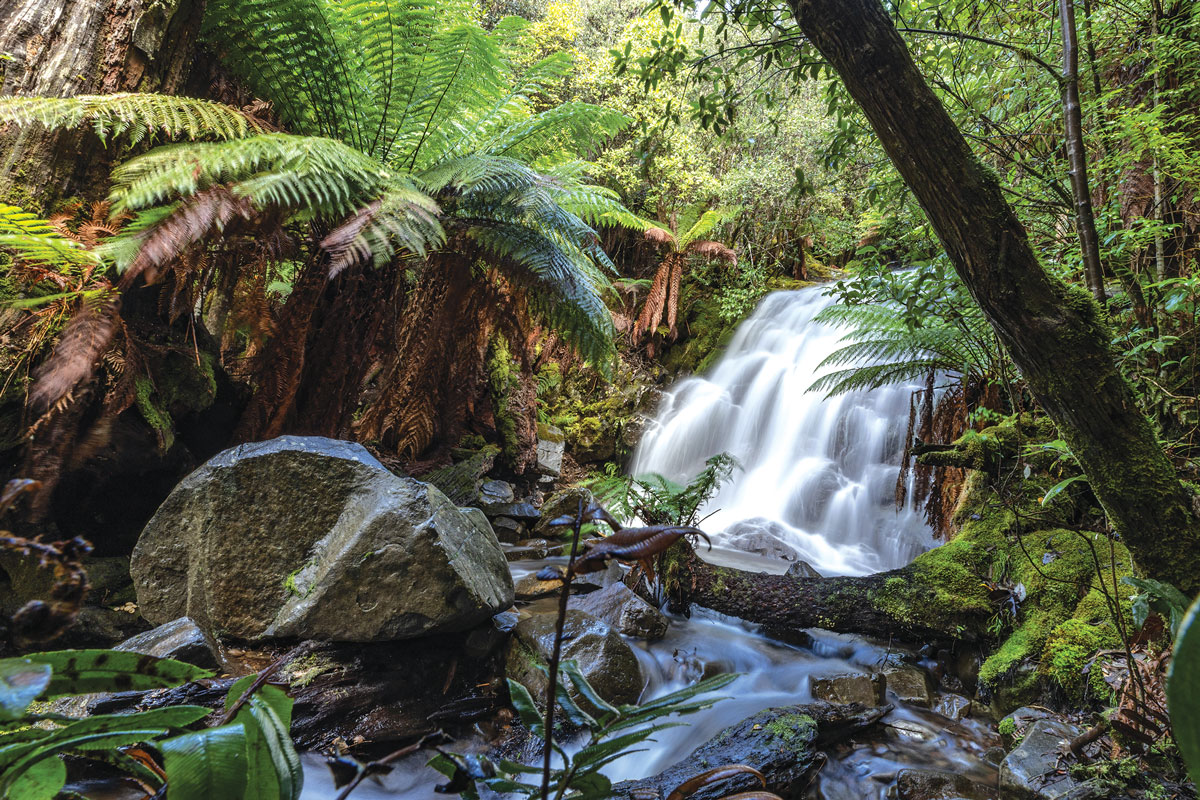
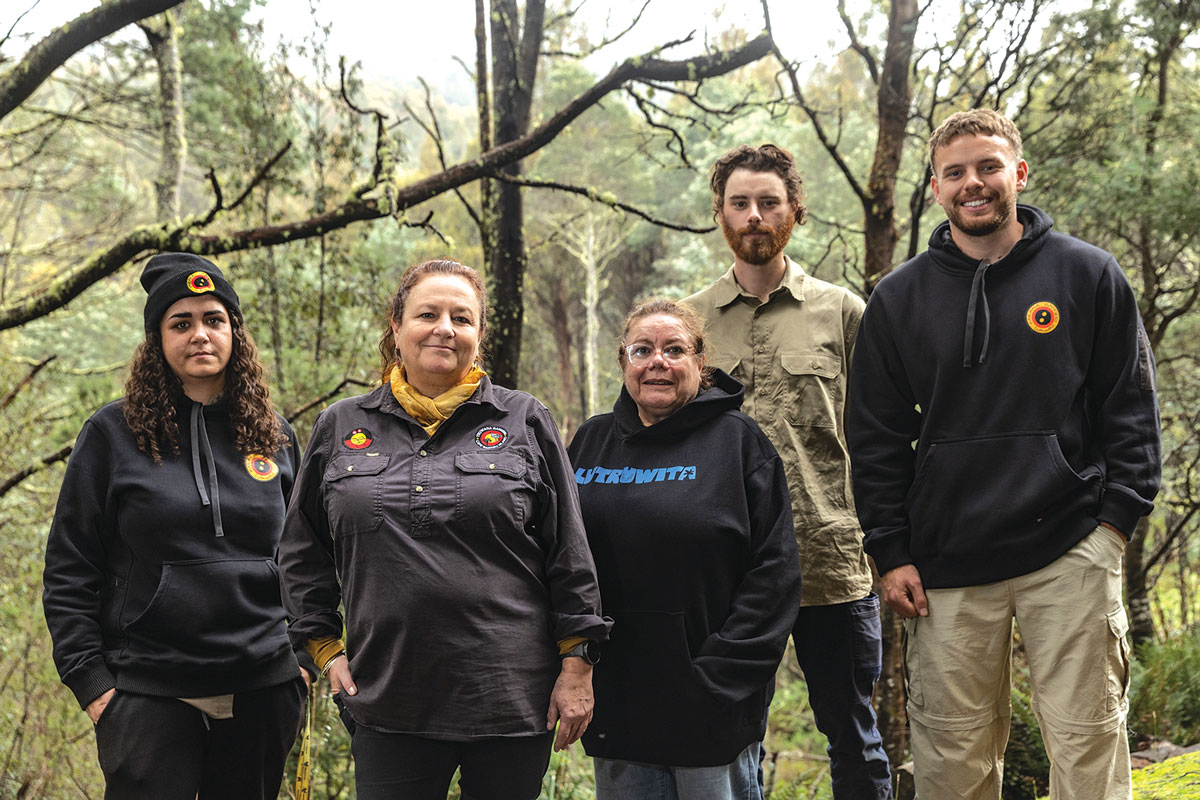
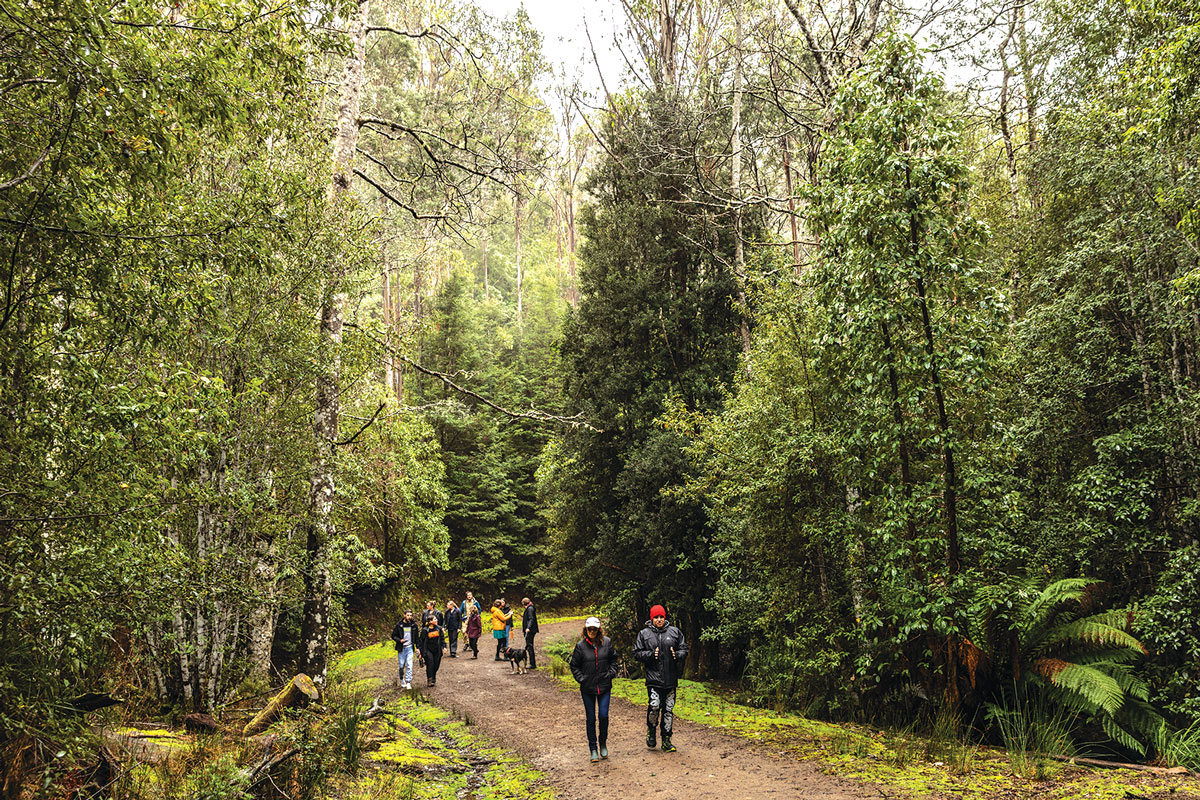
One of the three parcels of land returned to Aboriginal ownership is predominantly rainforest with a fresh-water creek running through it and just half an hour’s drive from the centre of Hobart. Picture: Jillian Mundy.
By JILLIAN MUNDY
The return of three areas of land, from private citizens to Palawa ownership, was celebrated during Reconciliation Week.
Aboriginal Land Council of Tasmania (ALCT) manager Sarah Wilcox said the return is what reconciliation could look like.
“Reconciliation isn’t a term that we use because it implies it was a positive relationship before, but when we think about what it actually could look like, because there’s been such a movement for reconciliation in Australia for many, many years, this is what it looks like,” she said. “It’s the restitution of land and rights to Aboriginal people.”
ALCT chairperson Greg Brown said generous private donors were showing leadership that the government were not showing.
“I think it’ll start a snowball effect and hopefully embarrass the government into doing the right thing,” he said.
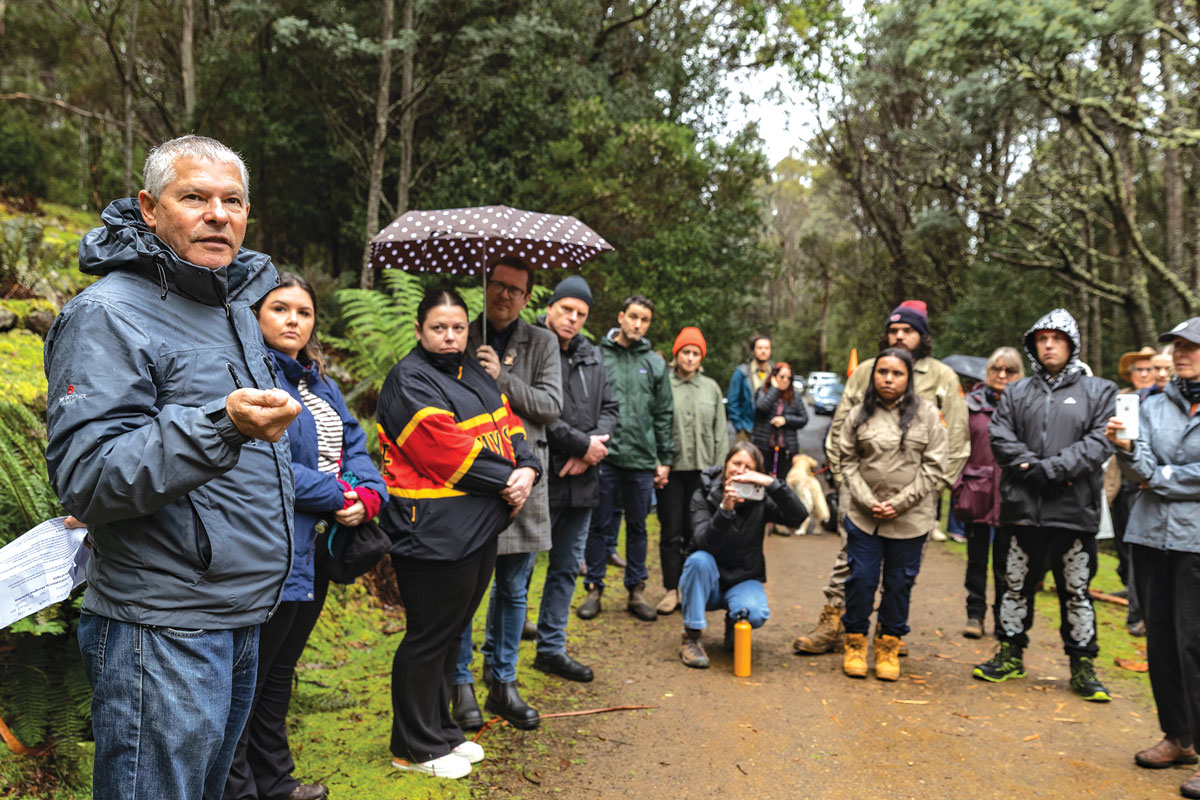
The celebration was held at one of the returned areas at Collinsvale, on the northern side of Kunanyi/Mt Wellington, half an hour drive from the city of Hobart.
The 5.5-hectare stunningly-beautiful mountainside country is home to rainforest, huge old eucalyptus trees, alpine forest and a fresh water creek with a platypus, currawongs and all manner of living things.
It borders on the Wellington Park reserve. It was bought by Marianne Lovelock in 2002 for a fraction of its current market value. Now in her seventies, she had spent years thinking about who she would hand the land to, knowing it needed management to avoid the damage from hooning and rubbish dumping.
Following the failed Voice Referendum, Marianne heard Michael Mansell talking on the radio about ALCTs Giving Land Back Fund, set up to help return private freehold land into Aboriginal ownership.
Her mind was made up in no time, and with the support of her family, she set about transferring the land.
But it was not as simple as gifting the title to ALCT, the Aboriginal elected statutory body formed through legislation to hold the title of returned land in perpetuity on behalf of the Tasmanian Aboriginal community.
There are laws to prevent people offloading wealth to qualify for government benefits. A maximum of $10,000 a year or $30,000 over five can be gifted in cash or assets.
ALCT did not want Marianne to lose her aged pension.
Furthermore, capital gains tax is paid on the actual value rather than the sale value. A private ATO ruling was made so this did not happen.
Keep Tassie Wild made a donation to ALCT so the land could be bought way below market fee to satisfy requirements of gifting legislation.
Marriane, who lives in Canberra, said she is very happy about the transfer of ownership.
“I don’t really feel proud, I feel really content about it, I feel I had been holding onto it for something better, it just makes me feel so good. I would say to anyone just do it, get yourself a lawyer and do it properly.”
ALCT are calling on the government to remove barriers to private donors restoring land to Aboriginal ownership.
“People want to leave land to us in their wills, or before they go because they like to be part of the experience of gifting land back and seeing the joy,” explained Sarah Wilcox.
Aboriginal rangers have already started monitoring and recording habitat, and removing weeds that have crept in on the land Marianne returned. It will be used for long-term training, ecological restoration and for the Aboriginal junior rangers amongst other things.
A block of land in the middle of Mathinna, a small rural town in North East Lutruwita/Tasmania has also been returned. There are plans to use it for a native garden and truth telling
A similar land return celebration will be held soon to celebrate the return of Loongana, a 26.8-hectares area of land at Dempster Creek in the North-West of Lutruwita/Tasmania, that had originally been bought to stop it being clear-felled for wood chips. The white-gum forest and rainforests situated alongside vital watercourses are home to threatened and endangered species including masked owls, grey goshawks, giant freshwater crayfish, Tasmanian devil and spotted quoll.