Monique Clubb – A night out with mates that ended in tragedy
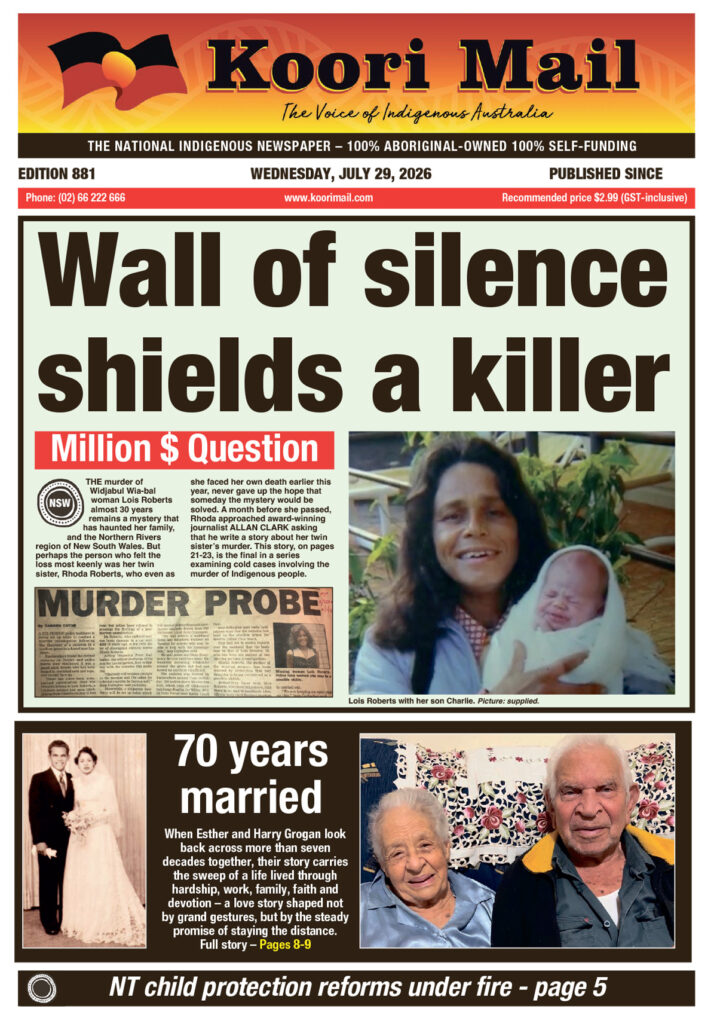
The family of Monique Clubb, who went missing in Brisbane 13 years ago, have begun a petition calling on the Queensland Government to stump up a million-dollar reward for information leading to the recovery of her remains. ALLAN CLARKE reports.
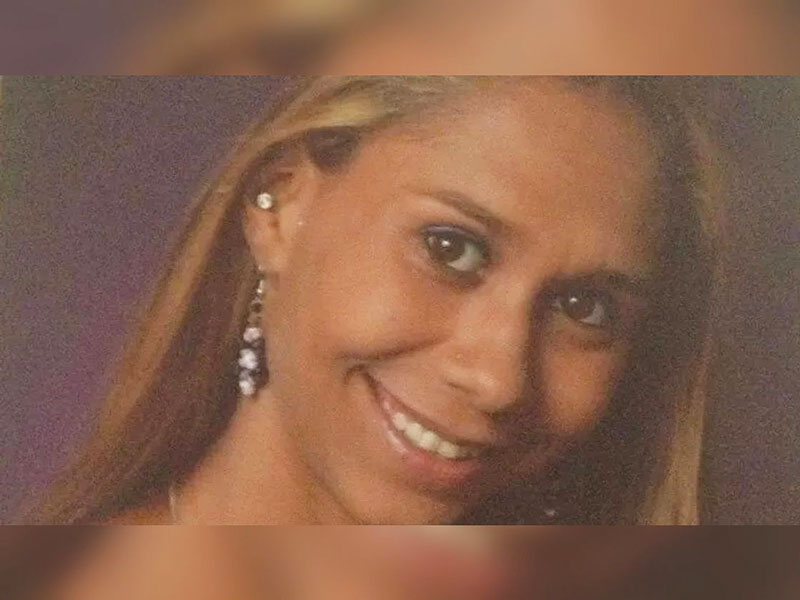
Hervey Bay woman Monique Clubb was a promising student – proud of her Aboriginal heritage and devoted to her family – who went missing after a night out with friends in Brisbane in June 2013. Picture: supplied.
By ALLAN CLARKE.
ON 20 June 2013, 24-year-old proud Aboriginal woman Monique Clubb left her hometown of Hervey Bay with three acquaintances, telling her mother they were heading south to Brisbane for the night. Later that night, just after midnight, Monique sent a distressed text message to a friend, stating she was starving, freezing, and had nowhere to stay.
The following morning, Monique spoke with her mother, Sheena McBride, explaining that she was trying to secure fuel money and intended to drive home the next day.
What followed over the next 48 hours has become the foundation of a devastating mystery, one heavily compounded by early, inaccurate police assumptions that shifted the focus away from a rigorous missing person investigation and onto the criminalisation of a vulnerable Indigenous woman.
On 22 June 2013, Monique travelled south to a medical clinic in Beenleigh accompanied by a white man, Bryce Watt. While the early police investigation incorrectly alleged that Monique used a false name to fraudulently secure medication, the coronial inquest held in December 2021 proved this narrative completely false. Monique had provided her own healthcare card to verify her identity, and the clinic recorded her healthcare number. To establish her medical history, she referenced the name of her mother, who had been a patient at the clinic previously.
Ultimately, the coroner found that the doctor inappropriately prescribed Durogesic (fentanyl patches) and diazepam. During the inquest, Dr Adam Griffin, Director and Senior Forensic Physician of the Clinical Forensic Medical Unit, gave evidence that the doctor’s actions were highly inappropriate, noting that basic physical examination details were absent and the clinic’s note-keeping was inadequate. Monique filled only the single script for the fentanyl patches, which was paid for by Watt. Watt then went back to Brisbane.
Phone records show that after leaving the pharmacy, Monique made a call at 2:24 pm to an acquaintance, Alan-Lee Heginbotham, telling him she had obtained fentanyl.
Monique was then seen inside the Beenleigh Shopping Centre at the Spend Less Shoes shop. A staff member sent a text to security guard Red Apolo, claiming a woman in the store may be drunk. However, when Apolo took the stand at the inquest, he stated under oath that Monique did not appear intoxicated to him when he witnessed her.
Monique accidentally left her wallet, containing a bank card and her ID, inside the shop. Though early, flawed police reports claimed her belongings vanished completely, her handbag was later recovered.
Apolo watched Monique leave the complex and cross a shallow creek leading toward Hugh Muntz Park, where he saw her stumble in the water before regaining her footing and walking out of sight.
This was the last confirmed sighting of Monique Clubb.
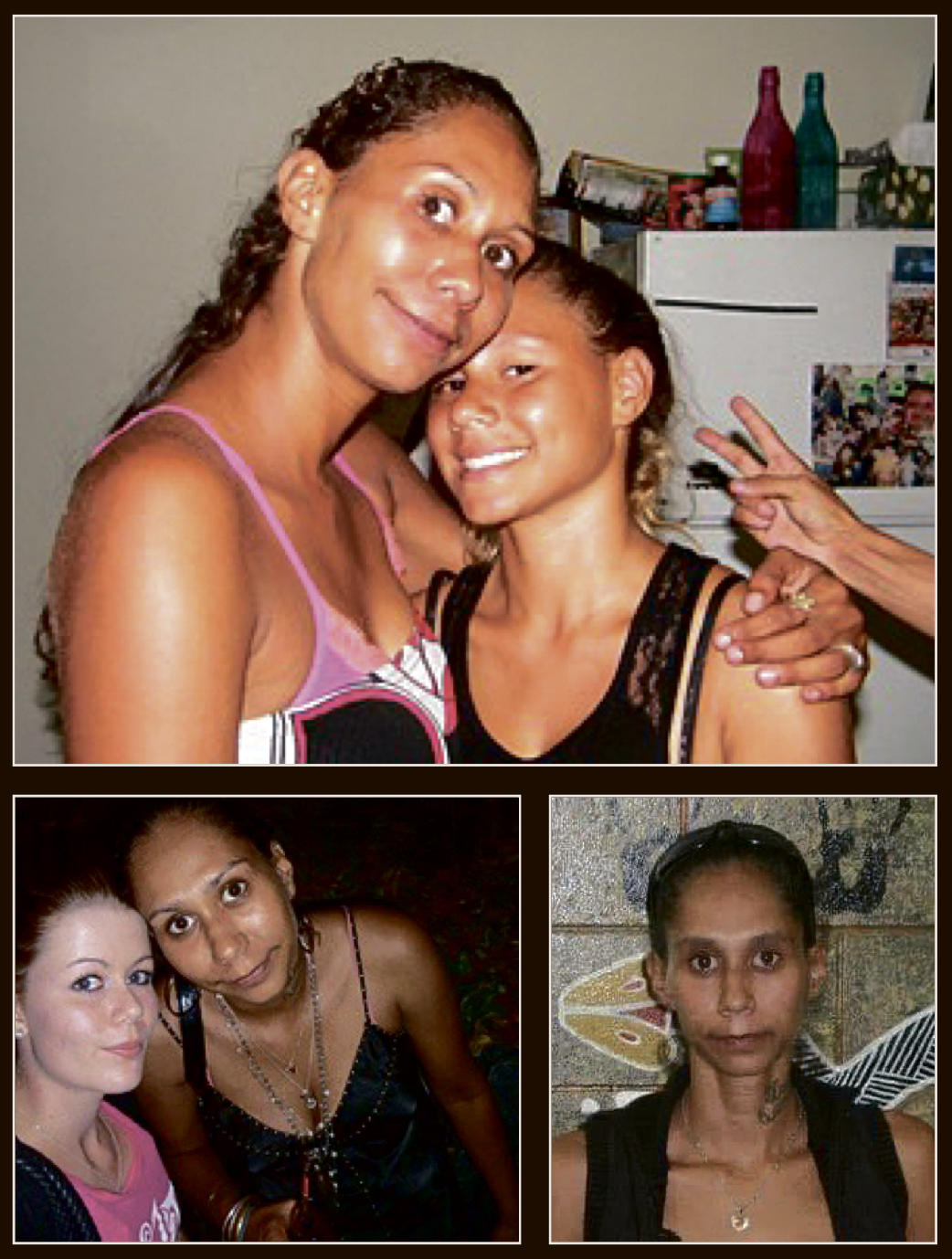
For years, the Queensland Police Service pushed the theory that Monique had simply wandered into the bushland, overdosed, and died. Because of this assumption, potentially critical lines of inquiry were abandoned. Monique had become addicted to opiates following a severe car accident, and her family believe that because of this, her case did not receive the attention it deserved.
The systemic failures forced the family to mount their own desperate search efforts. Monique’s brother, Mickey Clubb, would comb through Brisbane scrubland looking for her body.
The coronial inquest, held at the Southport Coroner’s Court in December 2021, exposed several failures in the Queensland Police Service’s handling of the case. This included completely losing critical CCTV footage from the Beenleigh train station, making it impossible to verify if Monique had managed to board a train out of the area later that afternoon. Investigators also failed to secure complete phone logs or verify whether the acquaintances who originally travelled with Monique from Hervey Bay communicated with each other after she vanished.
Search and rescue experts testified with certainty that Monique’s body was not in Hugh Muntz Park, disproving the original police theory. Coroner Bentley found that narrative was entirely inconsistent with the evidence presented.
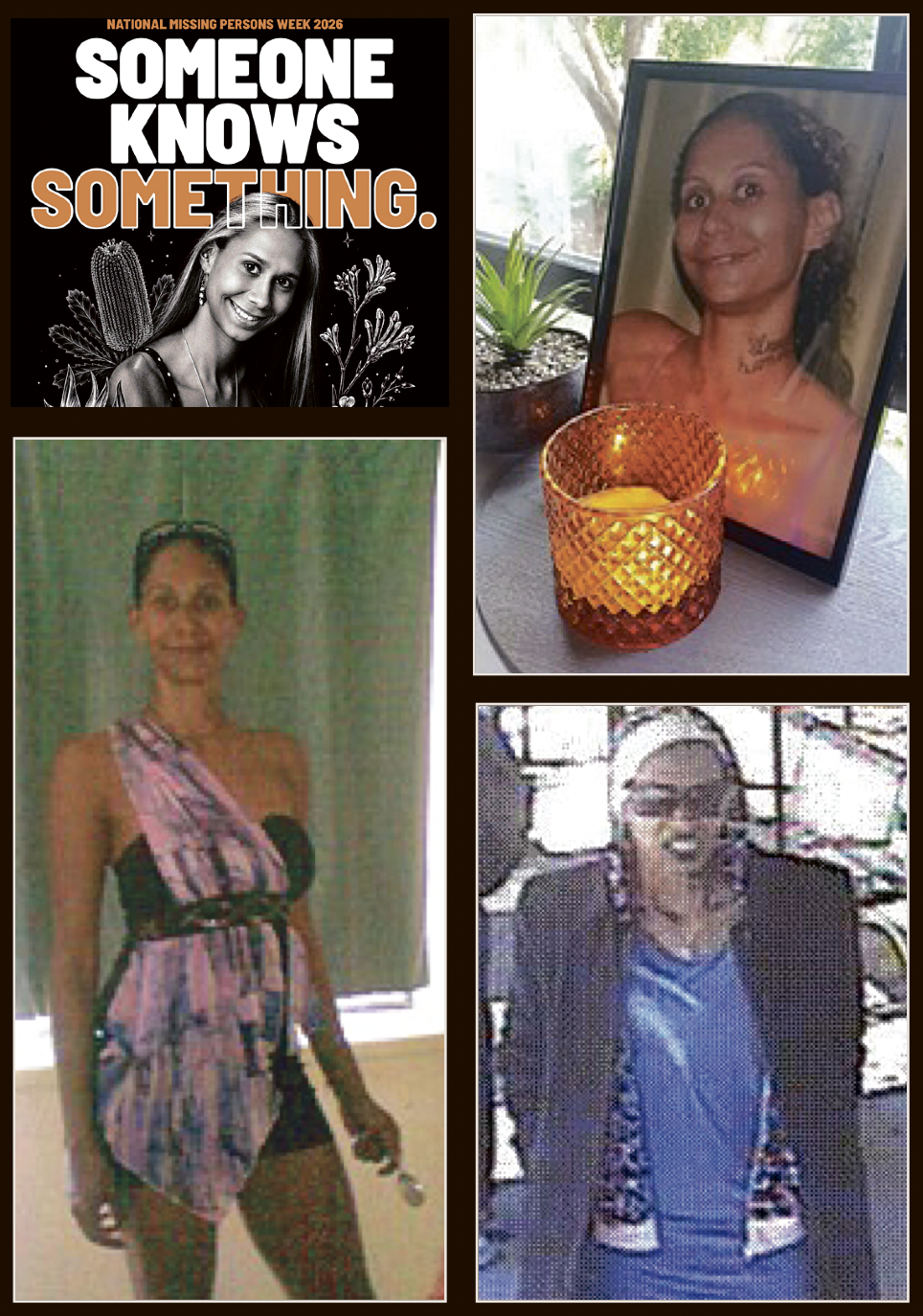
The coroner ultimately ruled that Monique was deceased, having died on or shortly after 22 June 2013, but was unable to determine a cause of death due to a profound lack of thorough police work that left critical gaps in the evidence.
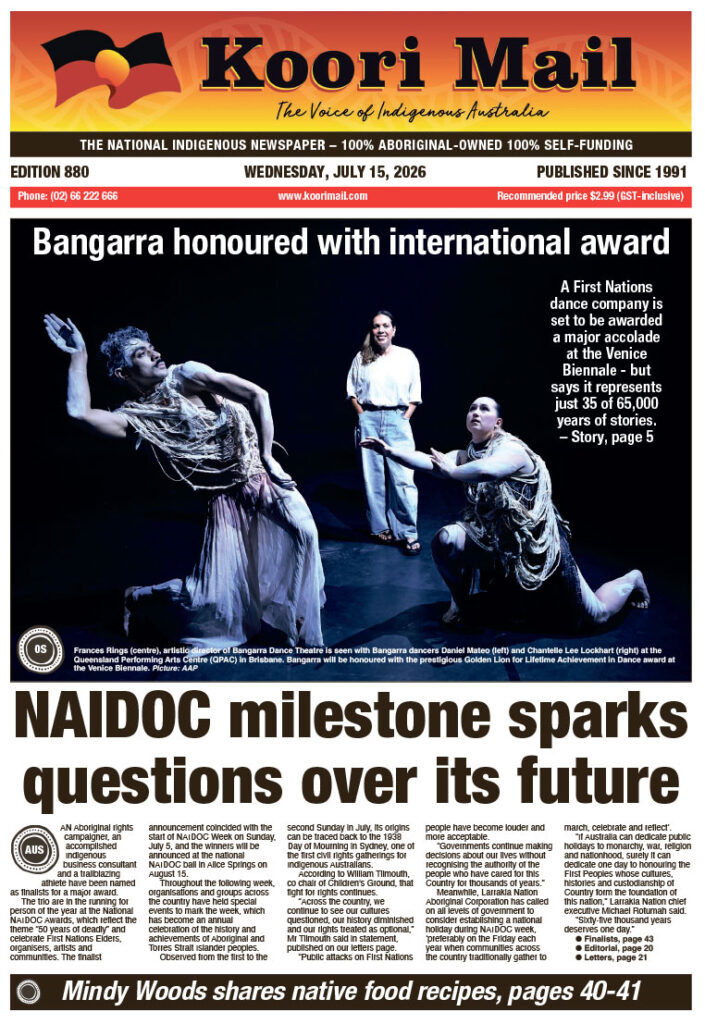
The failures in investigating Monique’s disappearance do not exist in a vacuum. Amy McQuire, co-founder of the Disappeared Project and researcher at Queensland University of Technology’s Carumba Institute, has been working closely with the Clubb family.
“Very early on it became apparent that the lead investigators were focused on criminalising Monique rather than searching for her,” McQuire stated.
“What is most common amongst the cases is the silence from police, the media, and the justice system as a whole. They cannot see our women as worthy of justice and worthy of mourning.”
The 2024 Australian Senate Inquiry into Missing and Murdered First Nations Women and Children heavily documented these systemic disparities, finding that Indigenous women are up to eight times more likely to be victims of homicide than non-Indigenous women, and comprise roughly 10% of all unsolved missing person cases nationwide.
In the wake of her disappearance, rumours spread rapidly, and the acquaintances Monique travelled to Brisbane refused to speak with her family.
“The people that she went to Brisbane with, they all came home and she didn’t. They never bothered to come to the family and say, ‘Oh hey, have you heard from Monique? How come Monique hasn’t come back yet? Did she make it back home safe?’ They took her up there and they never brought her back. They left her and never bothered to make sure that she was okay,” Angela says.
Angela and Tim have since moved away from Hervey Bay, noting that returning to the town is deeply painful.
“I go back and there’s people who used to say hello to me before my big sister went missing, now they don’t look or say anything,” Tim says. Angela adds, “There are people that cower their heads down and do not even bother to wave at Minnie and Tim. And Minnie and Tim will say to me, ‘Oh, that was big sister’s mate.’ And I’d be like, ‘Well, that’s weird. Why won’t they look at you? Why won’t they say hello?’”
Despite the trauma of the past thirteen years, the Clubb family refuses to allow Monique’s story to be swept aside.
“She wouldn’t choose to just walk away from us,” Tim says. “Someone has the missing puzzle piece, so please come forward and help us.”
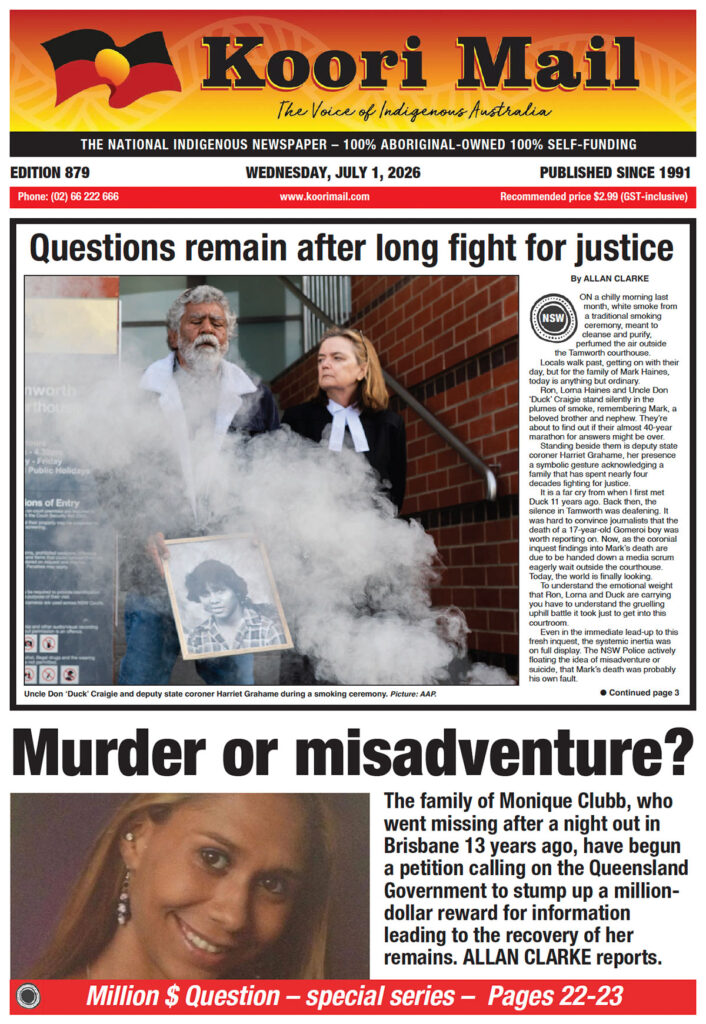
The family, alongside The Disappeared Project, has launched an online petition on Change.org that has quickly garnered over 3,000 signatures. Their goal is to put direct pressure on the Queensland Government to issue a $1 million reward for information leading to the recovery of Monique’s remains and the conviction of those responsible.
The family is calling on anyone with information to finally come forward, find their conscience, and help bring a deeply loved daughter, sister, and aunty home.
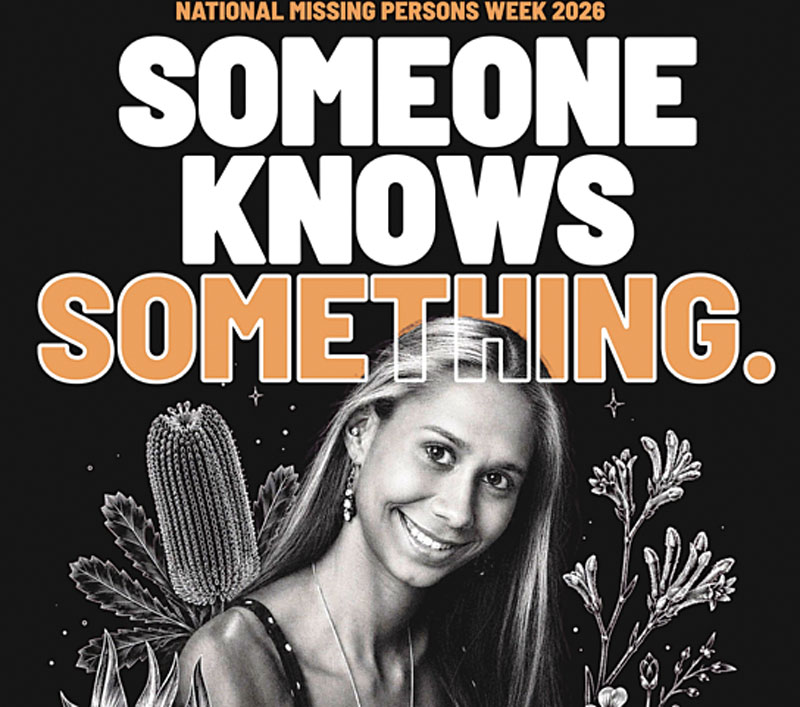
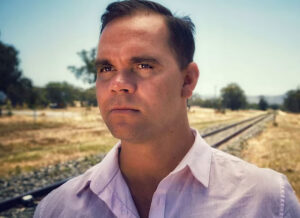
Allan Clarke is an award-winning investigative journalist, currently based in France. He is a Muruwari/ Gomeroi man from Bourke, in far-western New South Wales.
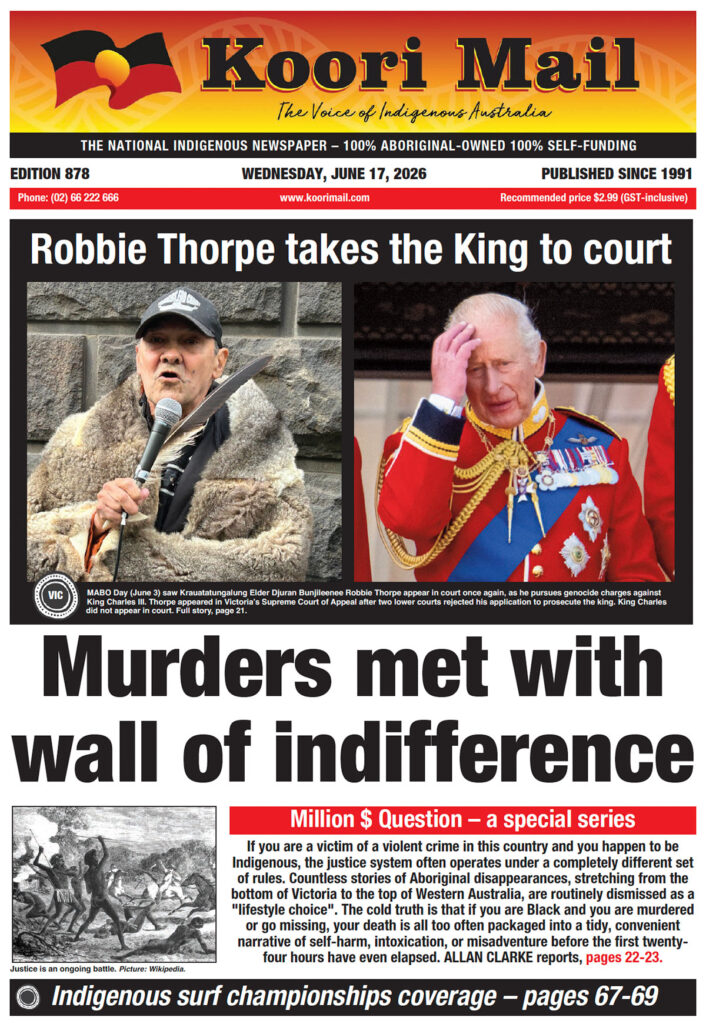
This article is the sixth in a series examining cold cases involving the murder of Indigenous people.